
CATEGORY 1
CATEGORY 2
CATEGORY 3
CATEGORY 4
7 Wedding Mistakes to Avoid When Planning a Destination Wedding
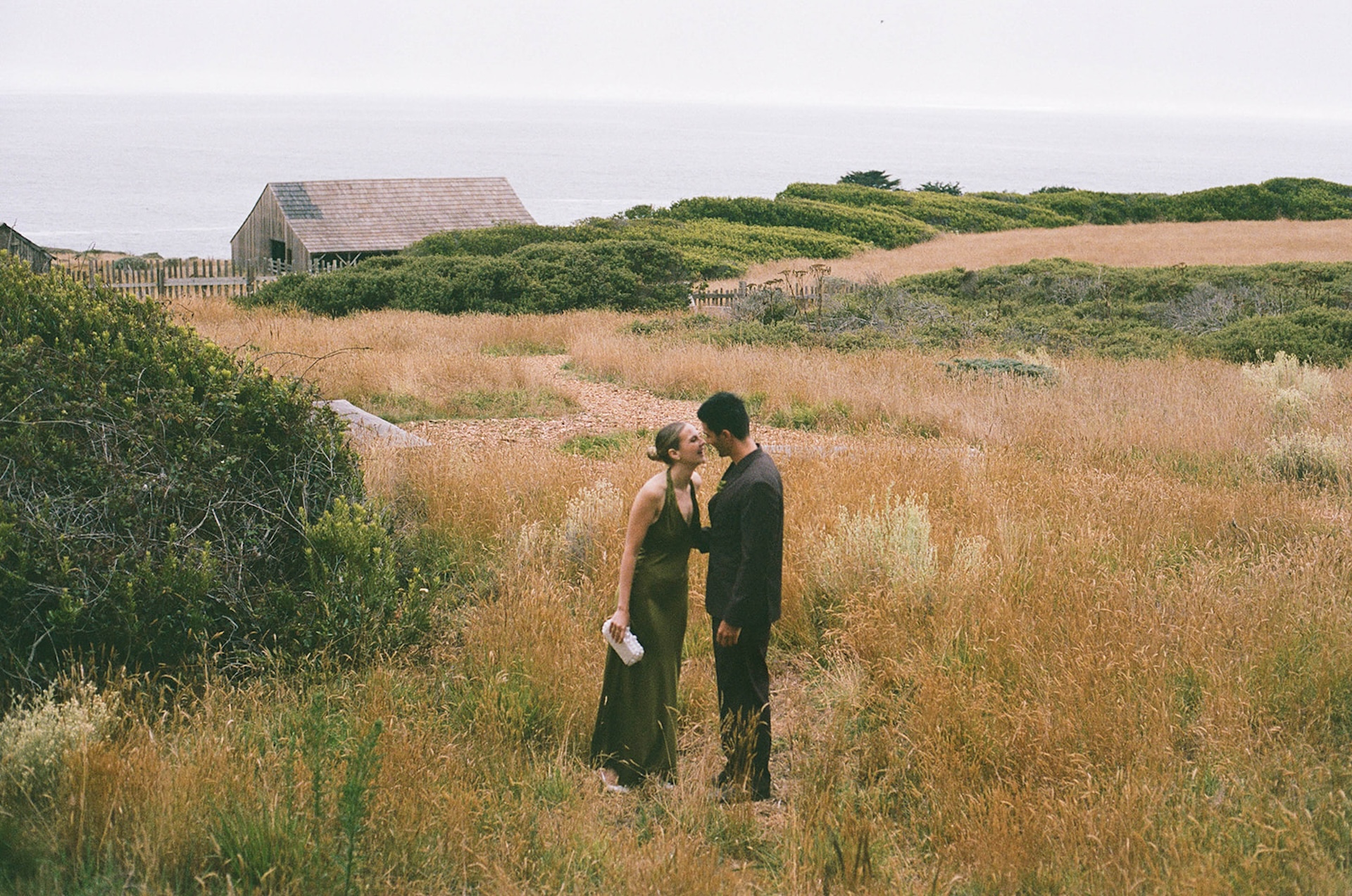
Most couples don’t choose a destination wedding because they want something complicated; they choose it because they want space to slow down, space to spend real time together, and space to experience their wedding day instead of rushing through it. The intention is almost always good, it’s just that the execution is where things can quietly fall apart.
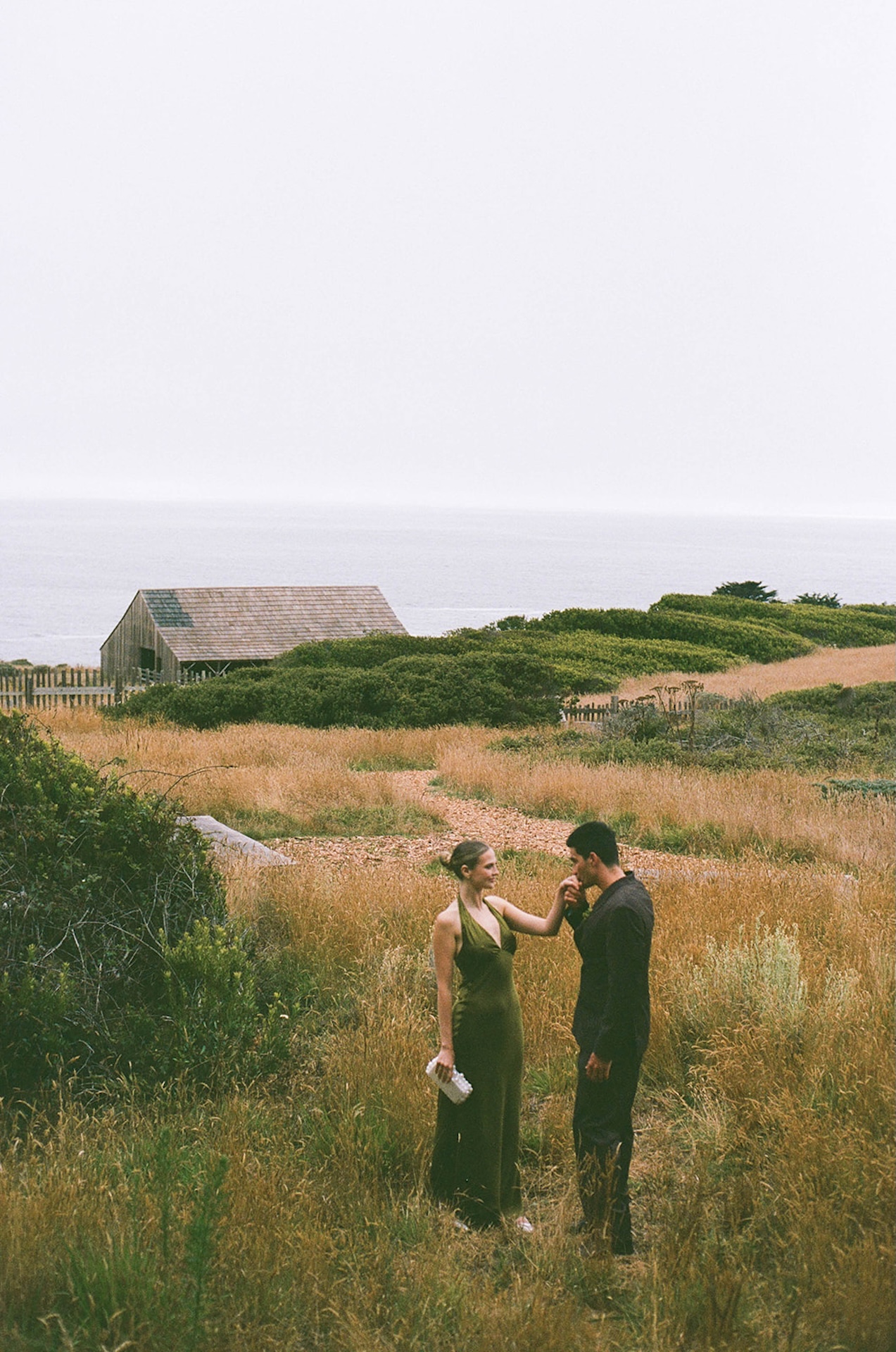
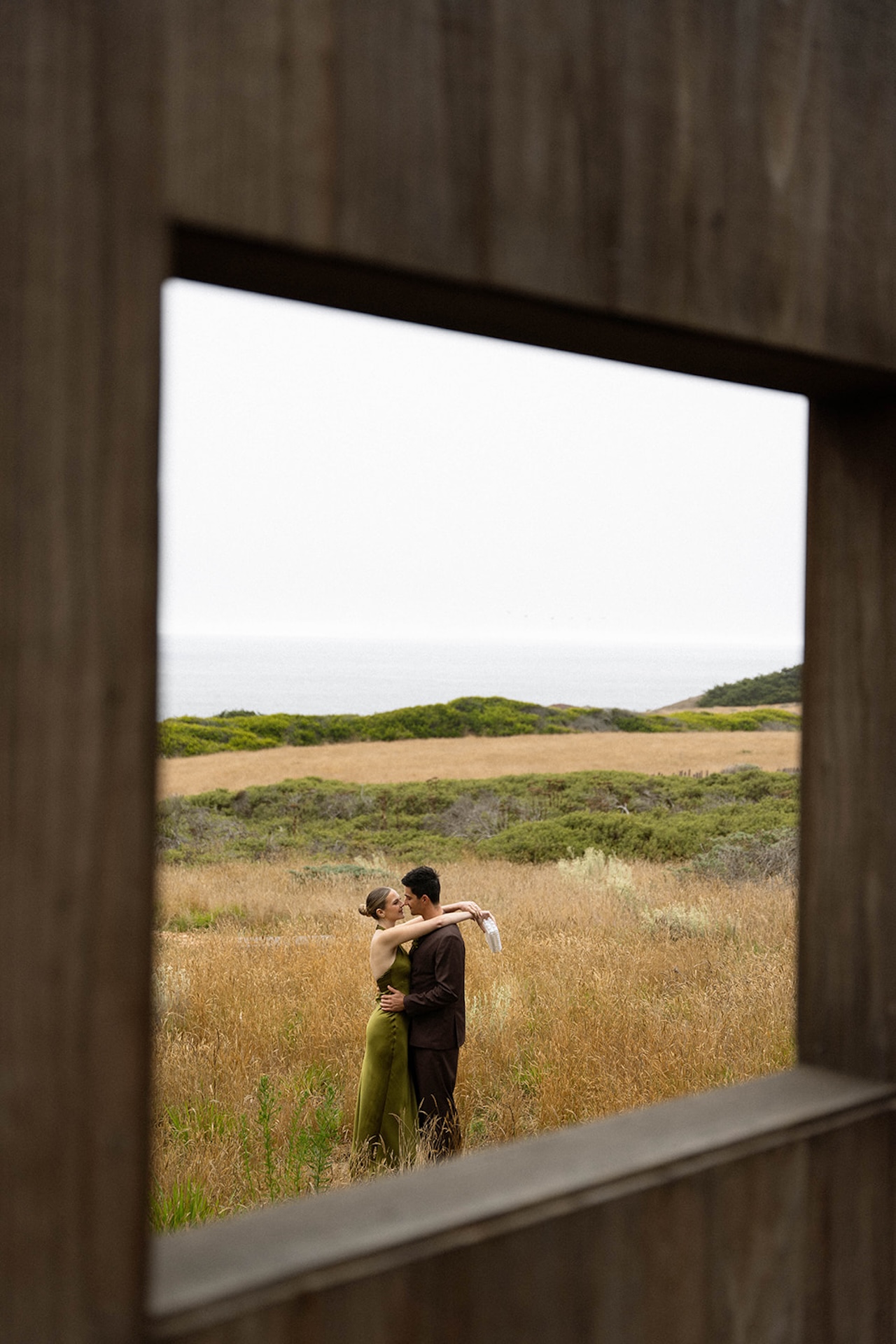
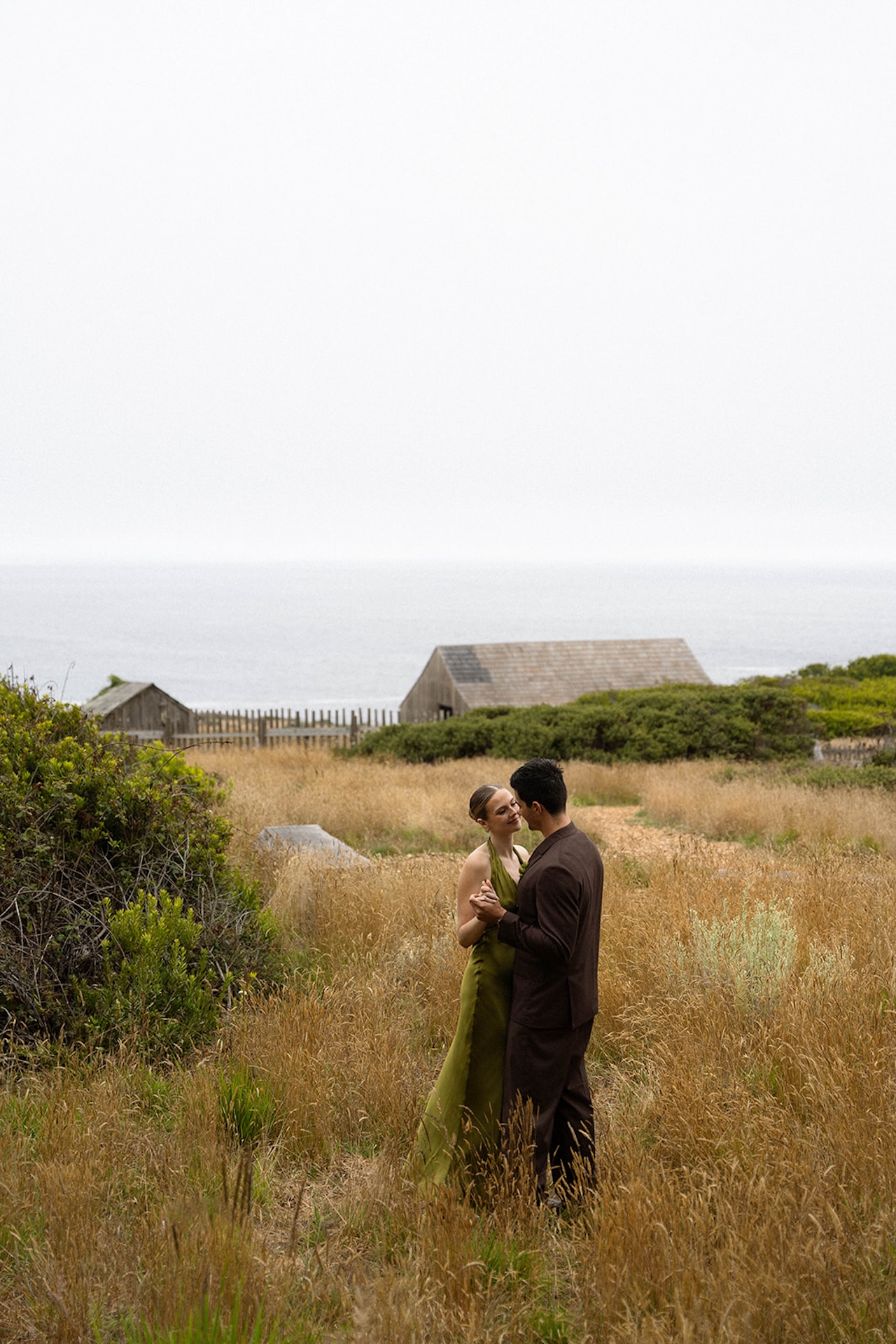
After photographing destination weddings in places like California and Hawaii, I’ve seen how easily a day can start to feel heavier than it needs to. Not because the couple made bad choices, but because there are a few parts of planning a destination wedding that don’t get talked about enough, like the logistics, timing, expectations, and the small details that matter more when everyone has traveled to show up for you.
This guide is meant to help you avoid the most common wedding mistakes couples make when planning a destination wedding, especially the ones that create unnecessary stress or take you out of the experience you were hoping for. If you’re planning a destination wedding and want it to feel thoughtful, connected, and easy to move through, these are my top recommendations as a destination wedding photographer.
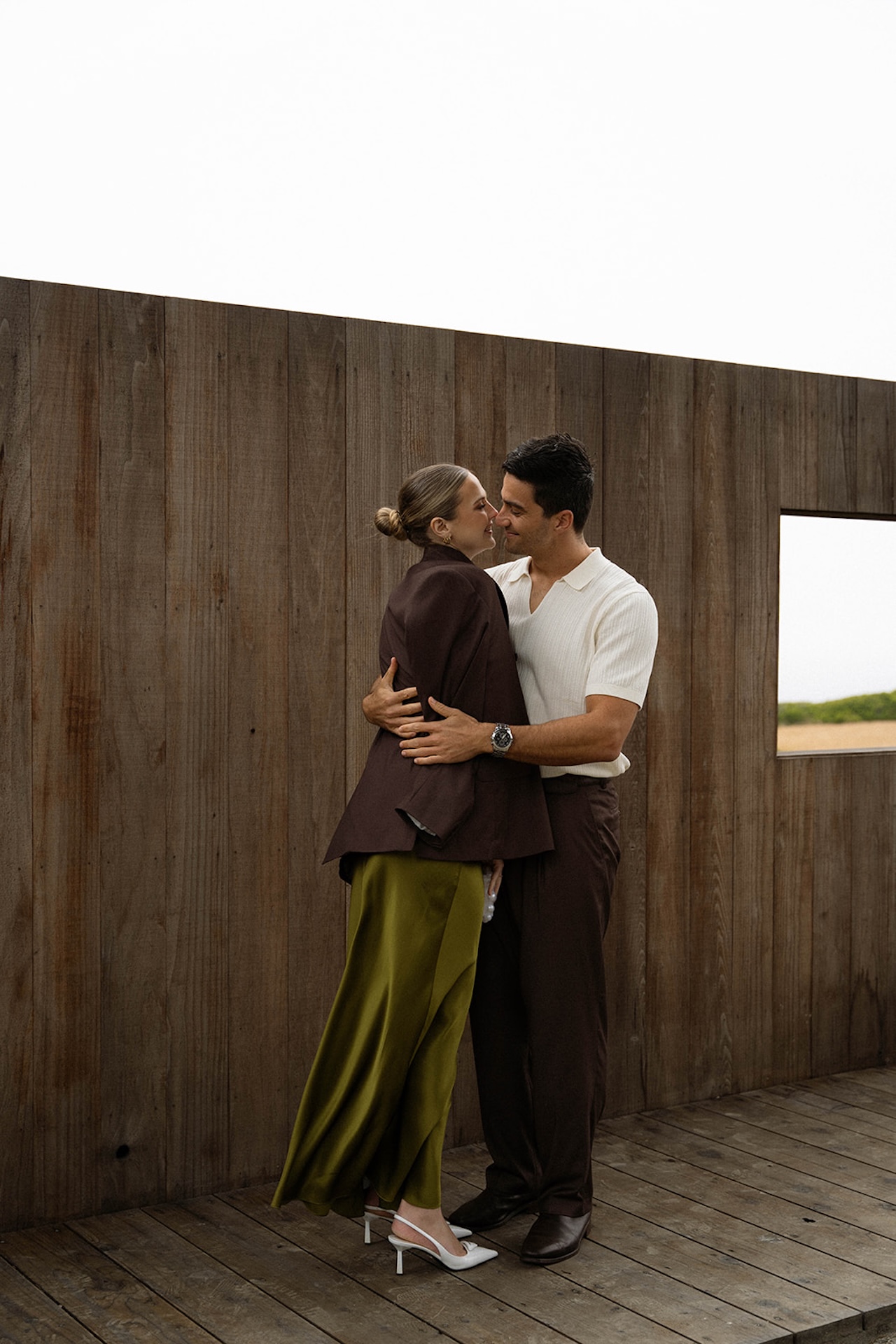

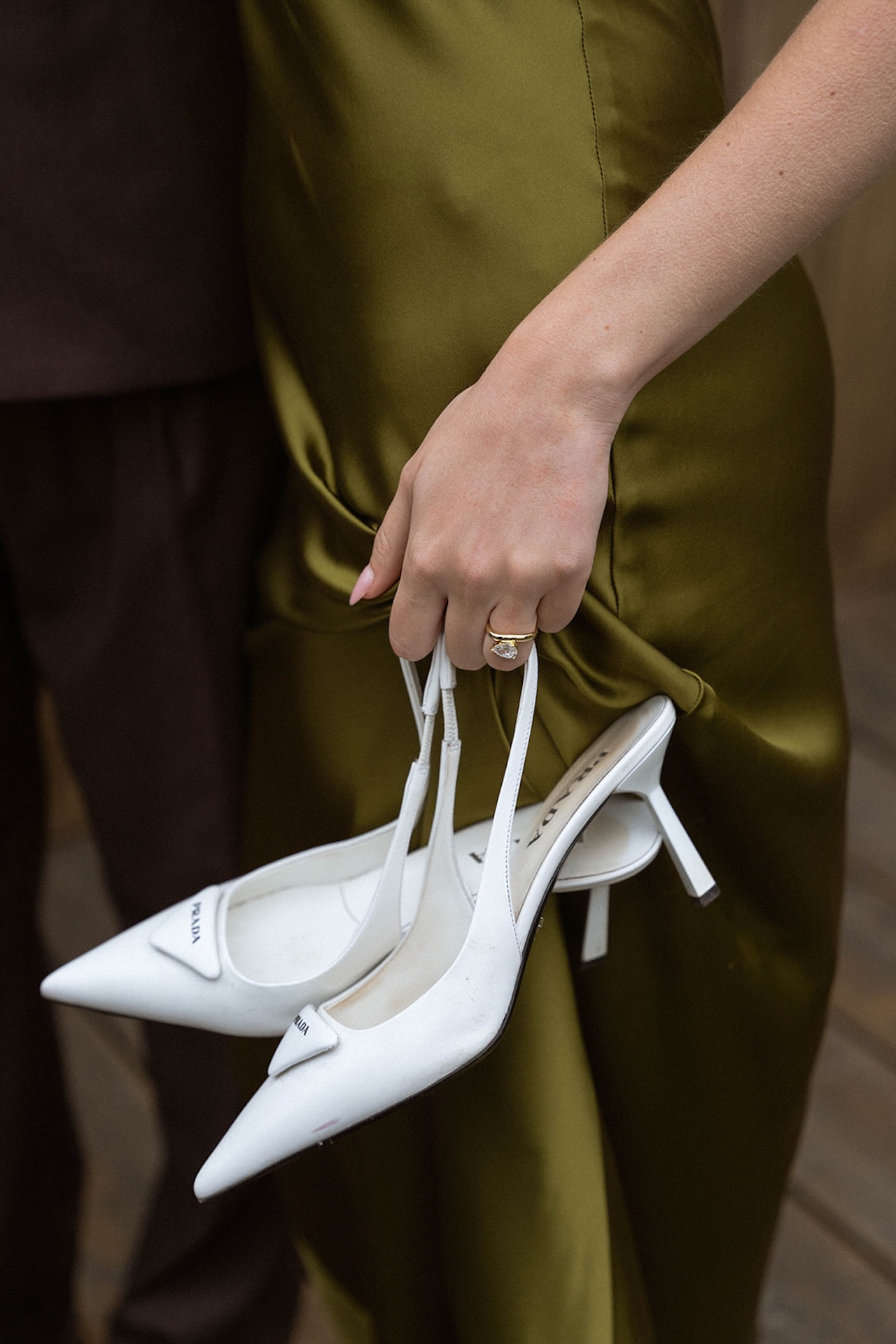
Why Planning a Destination Wedding Looks Simple, Until It Isn’t
On paper, planning a destination wedding sounds simple enough: just pick a location you love, invite your closest people, and turn it into a weekend instead of a single day. But in reality, you’re coordinating travel, vendors, timelines, and expectations across time zones and locations that might not be familiar to you, and for more people than just you.
That doesn’t mean planning a destination wedding has to be overwhelming. It just means you need to approach it differently than a local wedding. When couples run into stress, it’s usually because they planned it like a hometown wedding, just farther away. Once you understand where destination weddings require a little more thought, the entire process becomes more manageable and more enjoyable.
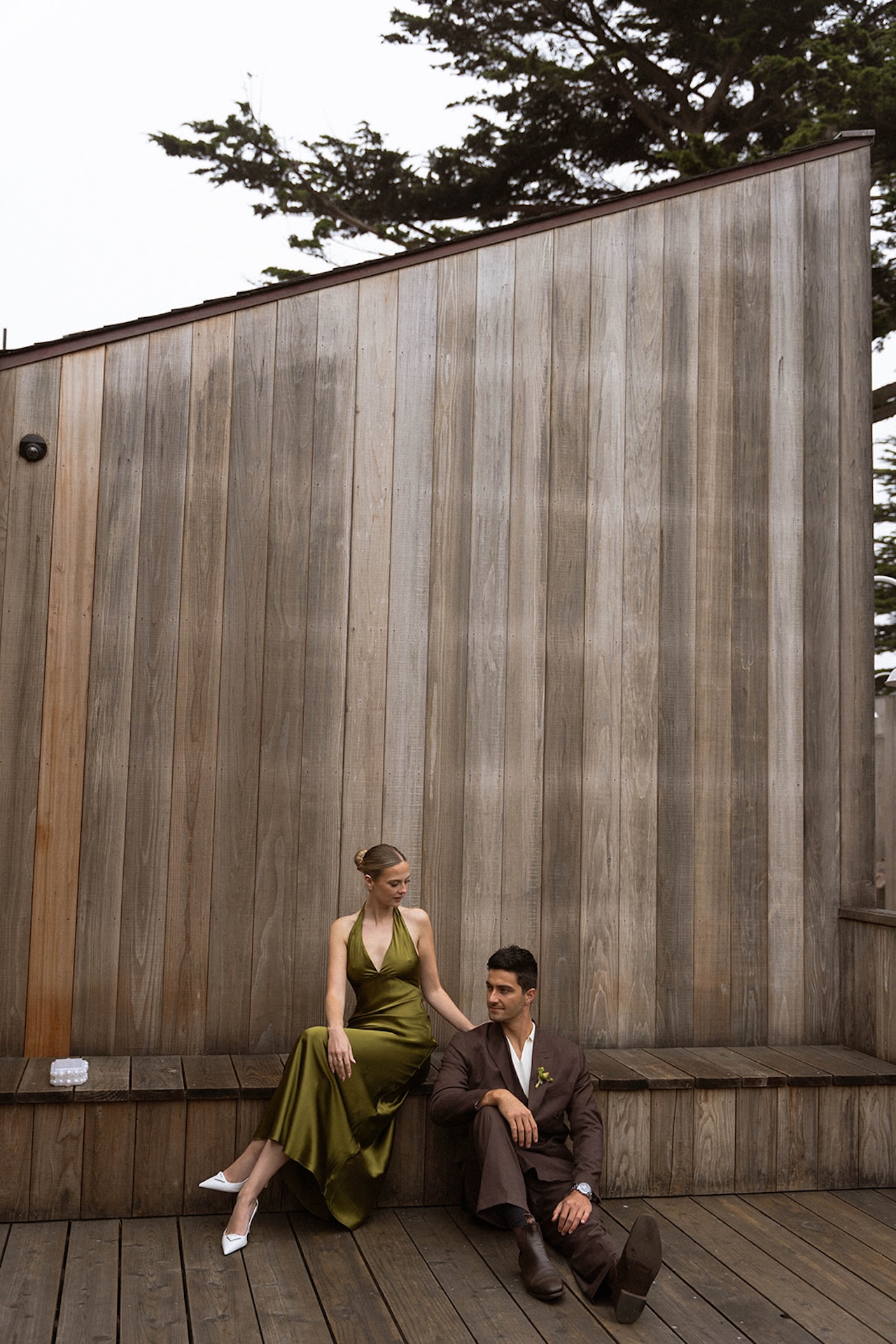

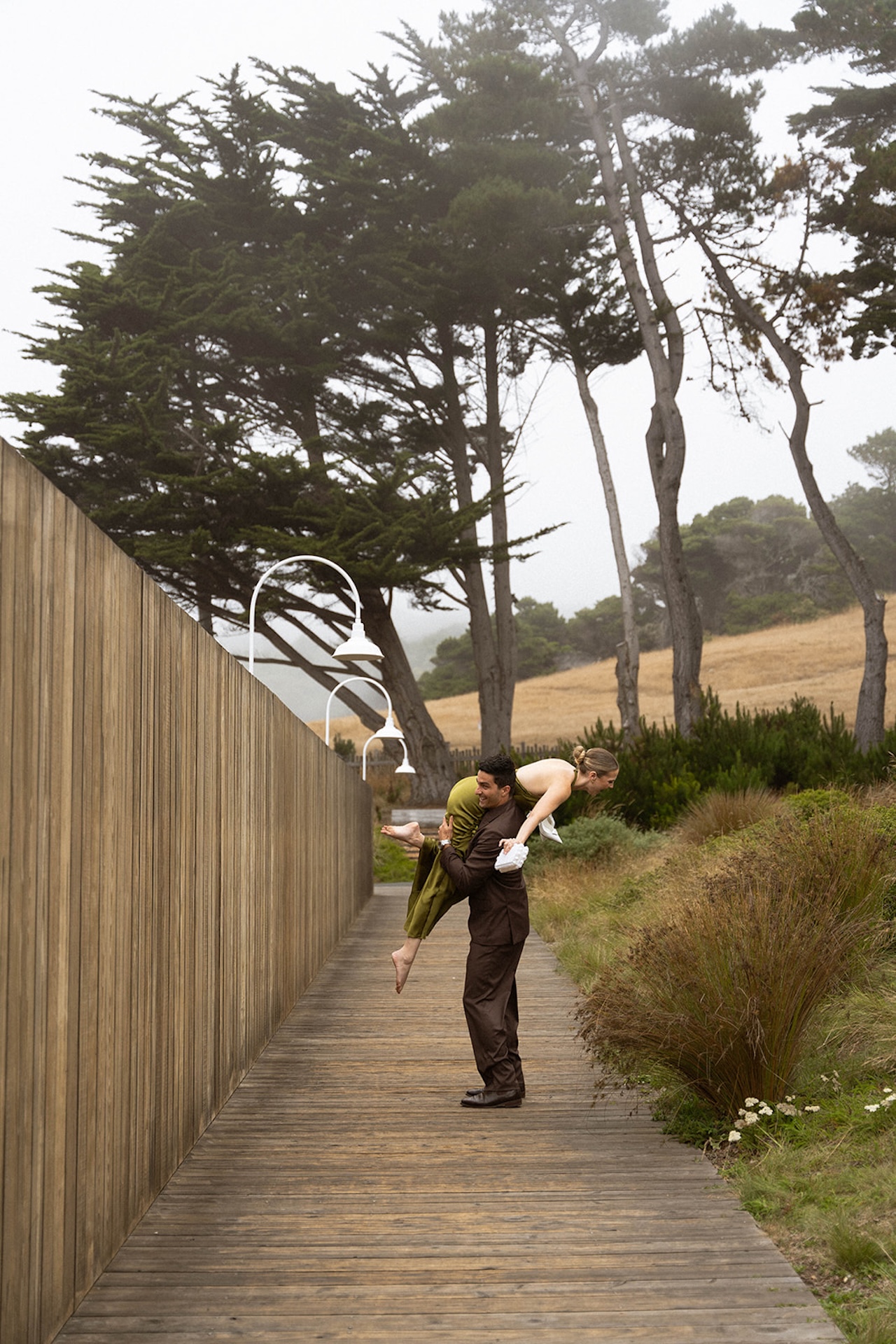

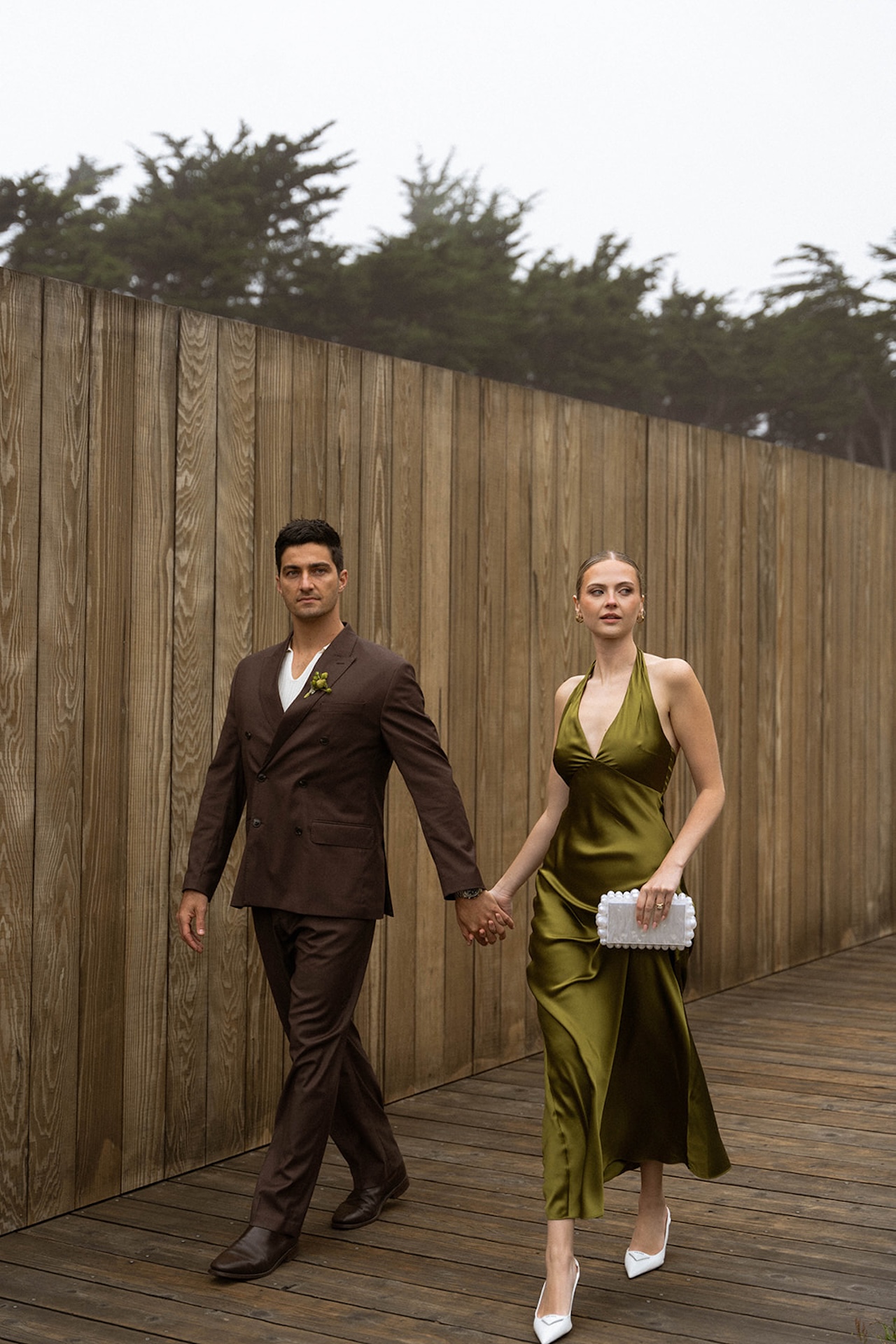
Wedding Mistake #1: Waiting Too Long to Send Save the Dates
One of the most common wedding mistakes I see when planning a destination wedding is waiting too long to tell guests about the date and location. Even your closest friends and family need time to request off work, budget for travel, and figure out logistics.
For destination weddings, save the dates should go out 10 to 12 months in advance, sometimes earlier if you’re getting married during a busy travel season or hosting your wedding somewhere popular. This gives guests options instead of pressure and allows them to plan in a way that feels doable.
Sending save-the-dates early also helps you get a more realistic sense of your guest count. When people have time to plan, they’re more likely to respond honestly instead of backing out later because travel has become too difficult.
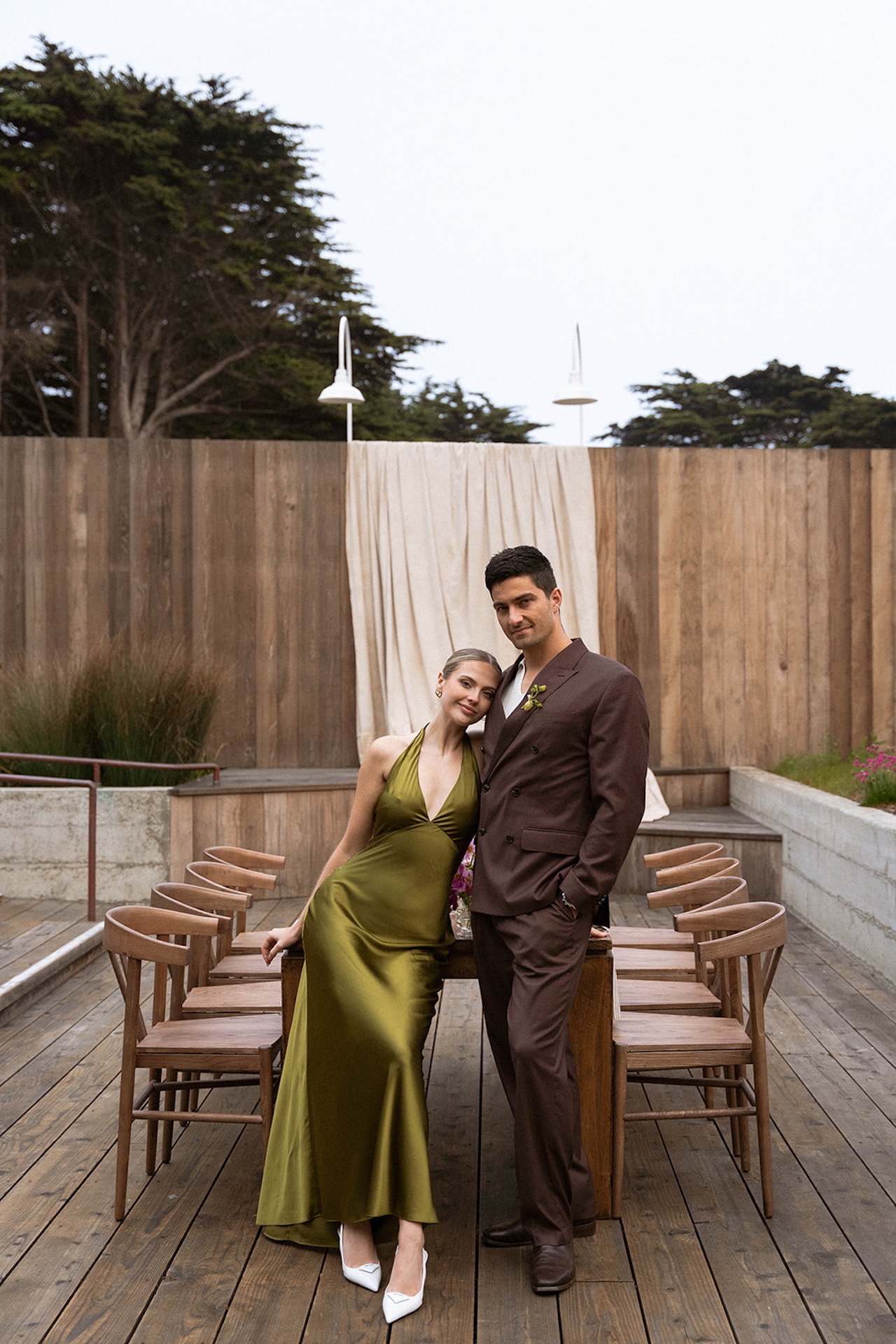
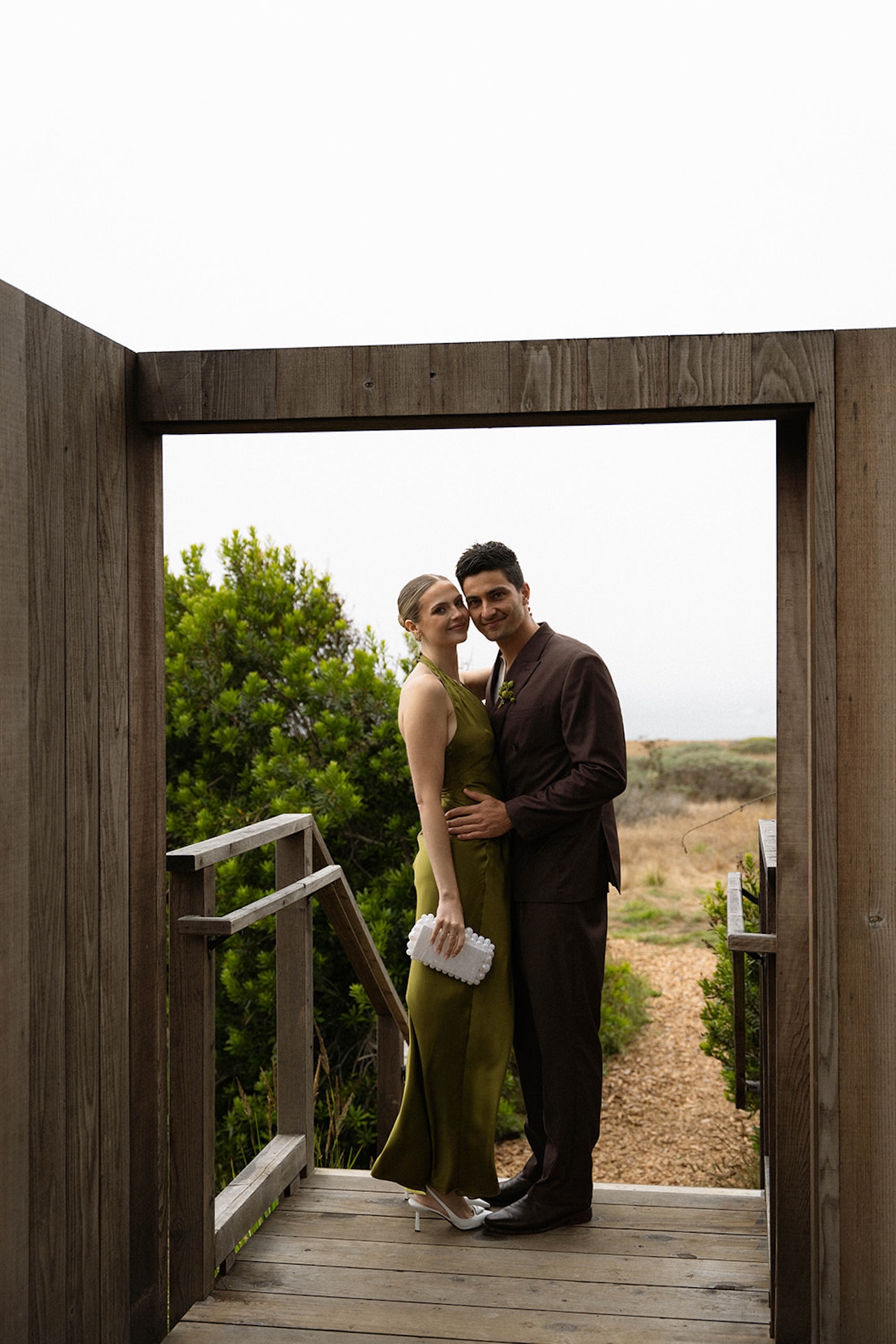
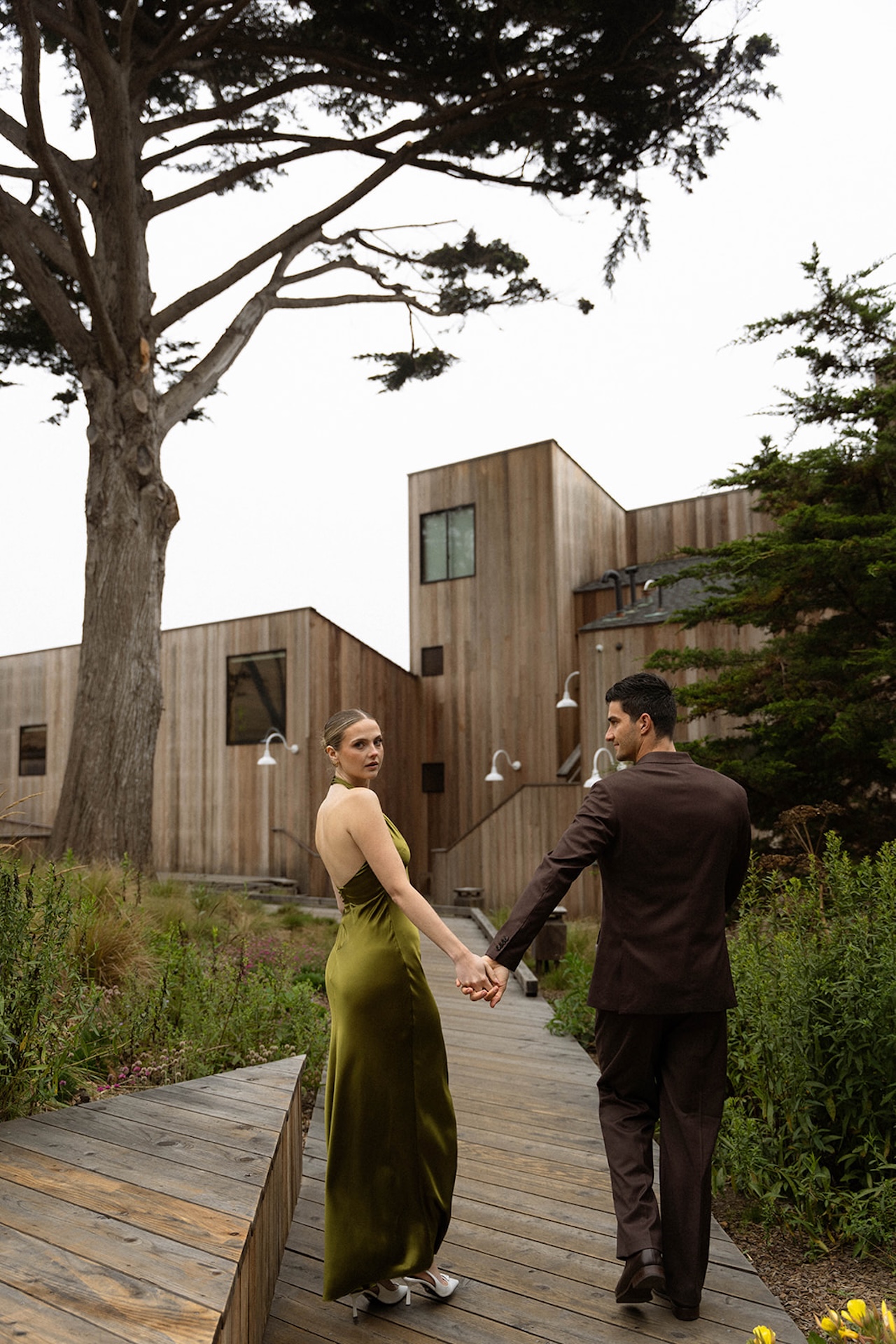
Wedding Mistake #2: Underestimating Travel and Arrival Timing
When planning a destination wedding, travel timelines matter more than most couples expect because something always pops up that you can’t control, like flights getting delayed, luggage getting lost, weather changing plans, etc. These things don’t ruin a wedding, but they can create stress if there’s no buffer built in.
I always recommend getting to your destination at least two to three days before the wedding, especially if you’re changing time zones, because jet lag is not fun on your wedding day. This gives you time to adjust, connect with vendors, and settle into the location before your wedding events start for the weekend. It also gives you space if something unexpected comes up.
If you’re hosting a welcome dinner, brunch, or anything like that, schedule it for the day after most guests arrive, not the night they land. That alone can make the entire weekend feel calmer and more enjoyable.

Wedding Mistake #3: Not Understanding Legal Requirements Early
This is one of those wedding mistakes that seems small until it isn’t. Legal requirements for getting married vary by state and country, and they don’t always align with your travel plans.
If you’re planning a destination wedding, look into:
- Marriage license waiting periods
- Residency requirements
- Required documentation
- Officiant regulations
Some couples choose to legally marry at home and treat their destination wedding as a symbolic ceremony, which can remove a lot of pressure. Others want the legal part to happen on location, which is completely doable as long as it’s planned early.
Here are a few helpful resources to get you started:
Wedding Mistake #4: Choosing a Location Without Considering the Season
A destination wedding location can feel right without being right for the time of year you’re planning to visit. Weather, tourism seasons, and local events all play a role in how your wedding weekend feels.
When planning a destination wedding, ask:
- Is this peak tourist season?
- Will accommodations be limited or expensive?
- What is the weather typically like during this month?
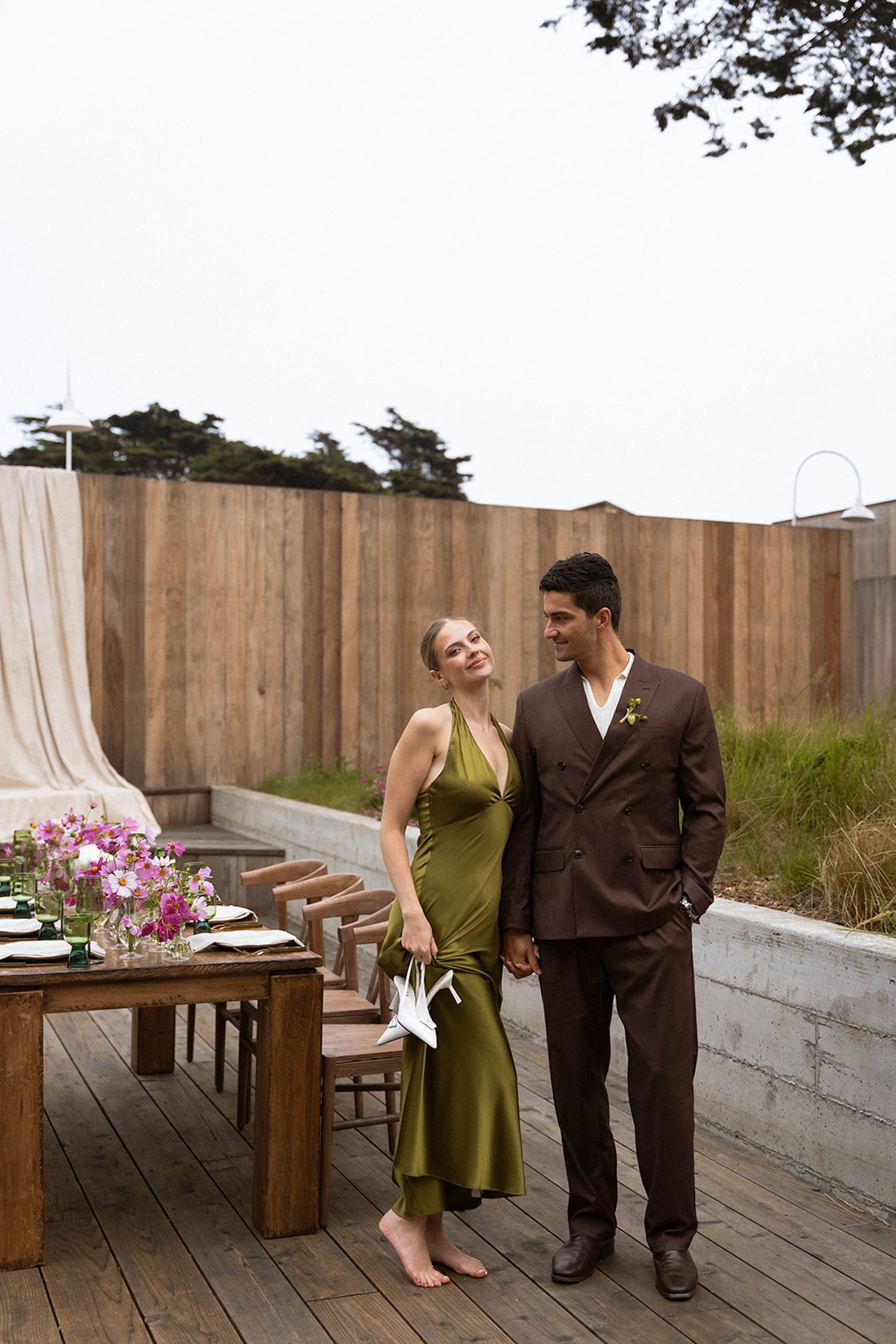
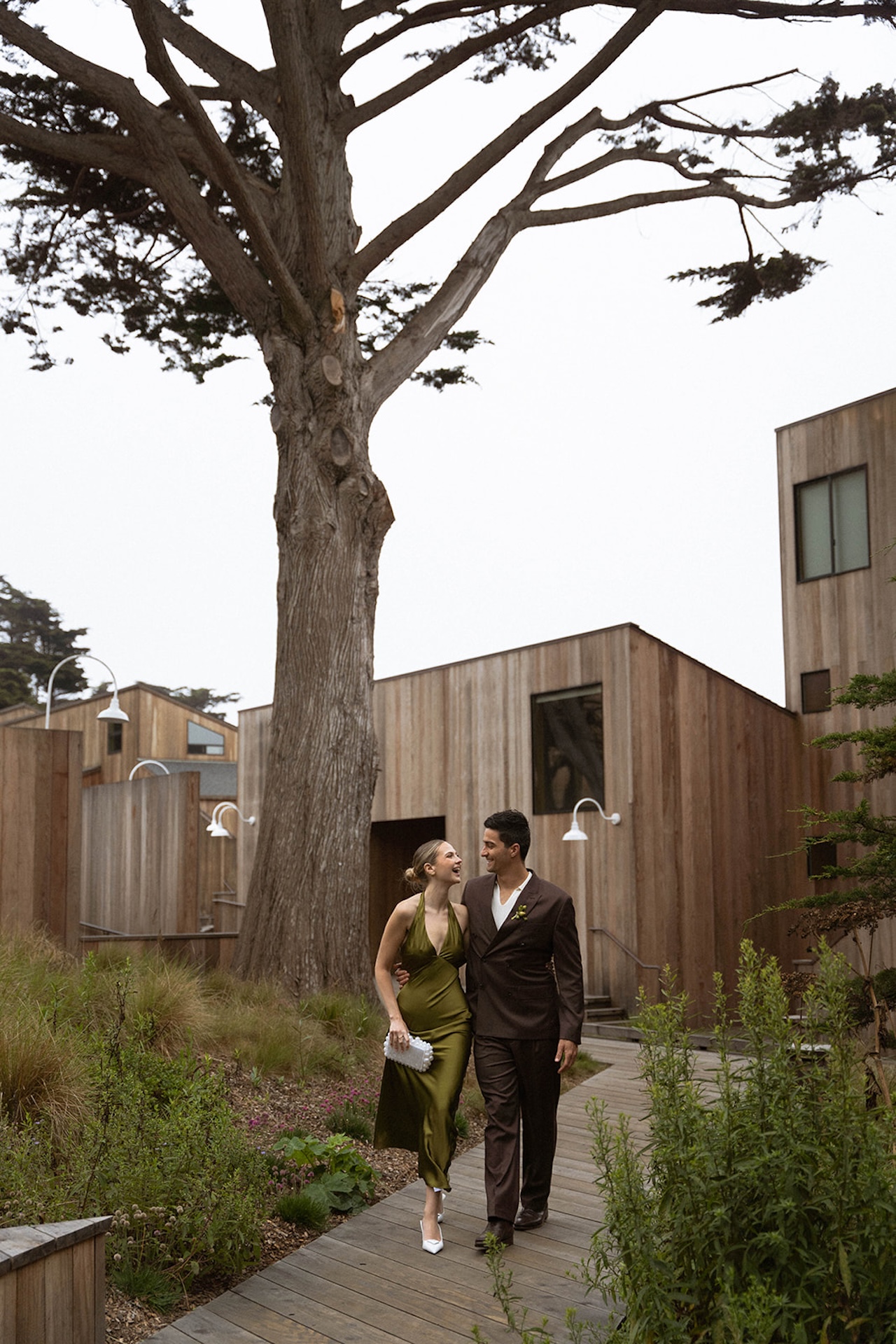
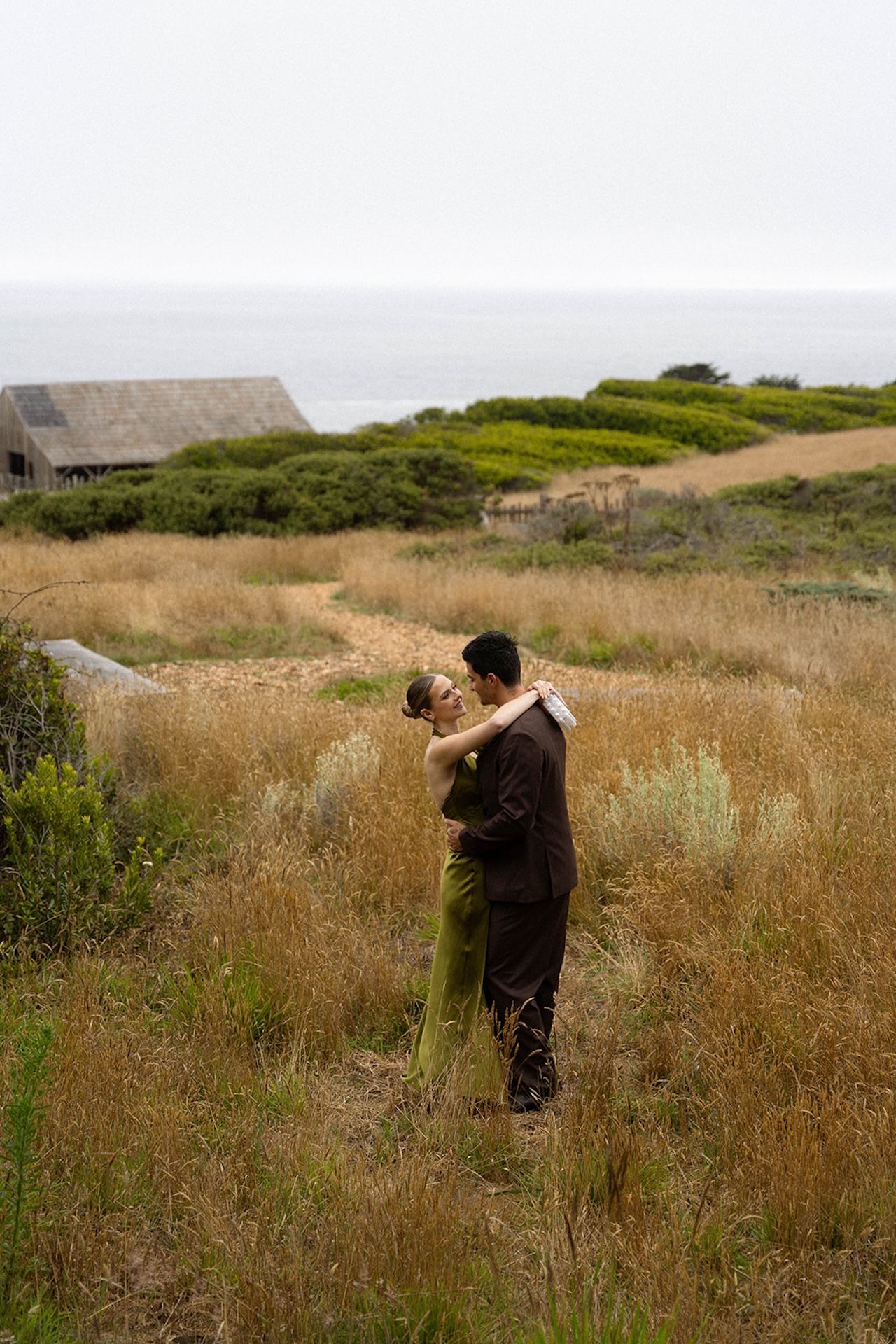
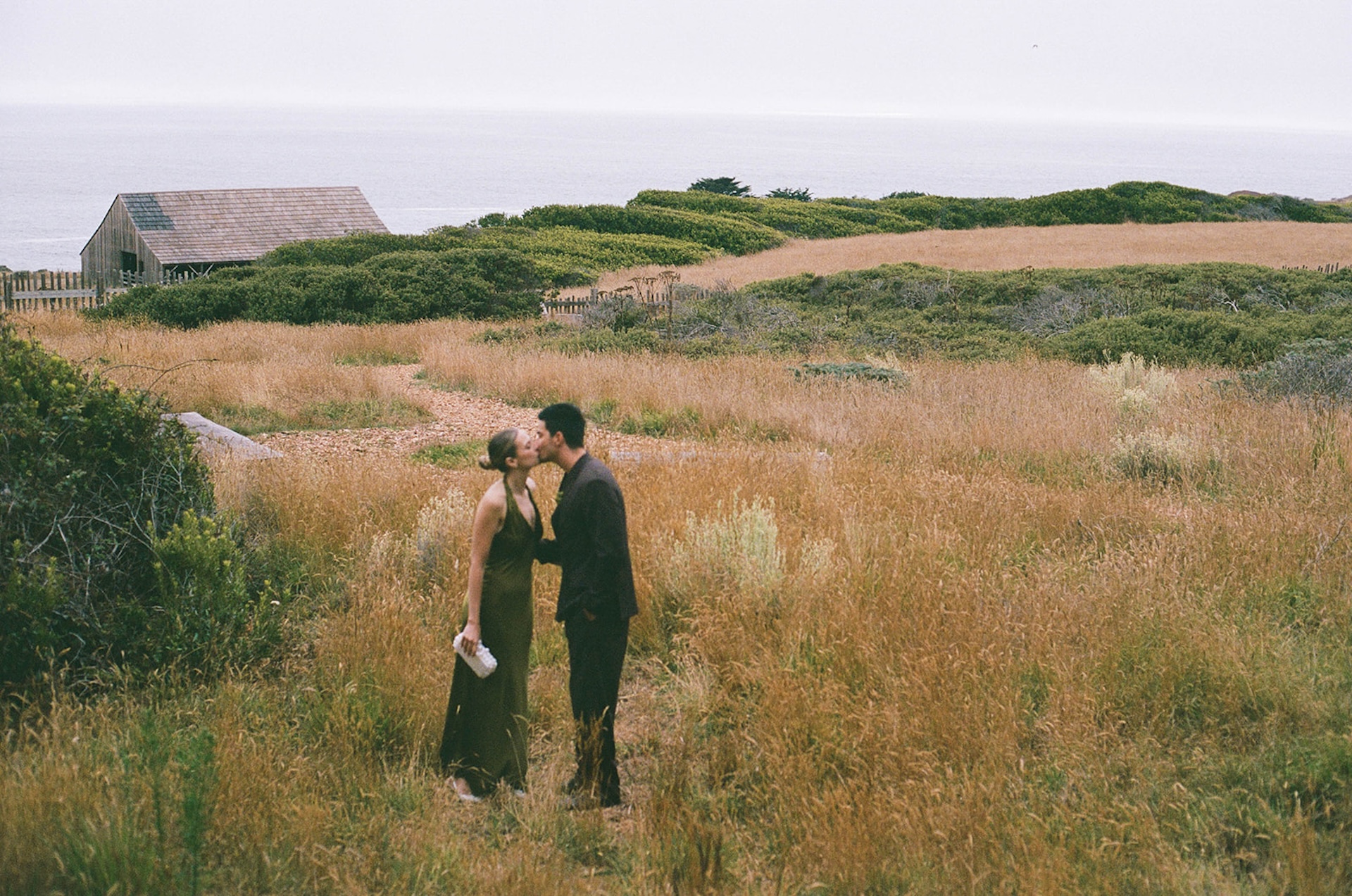
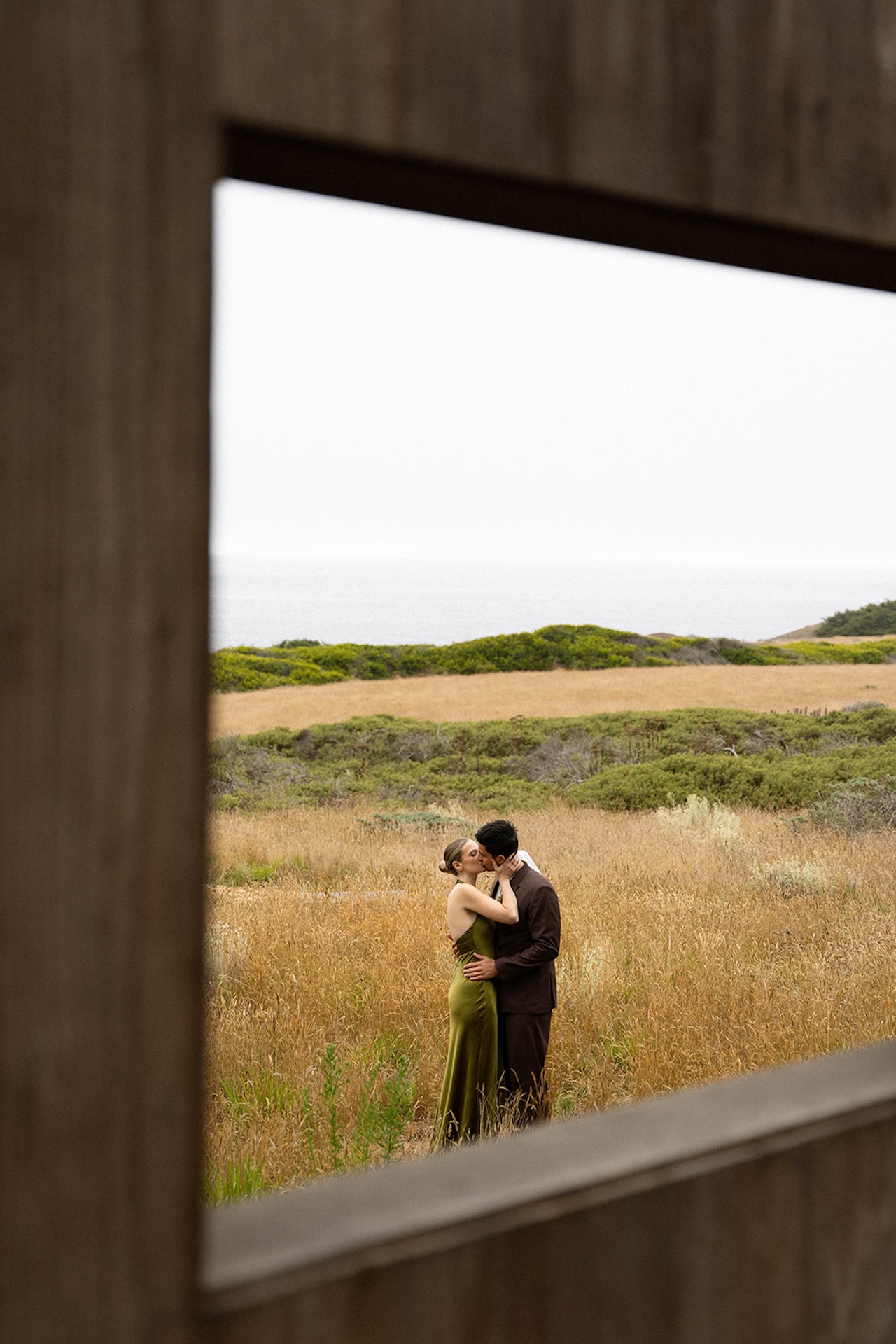
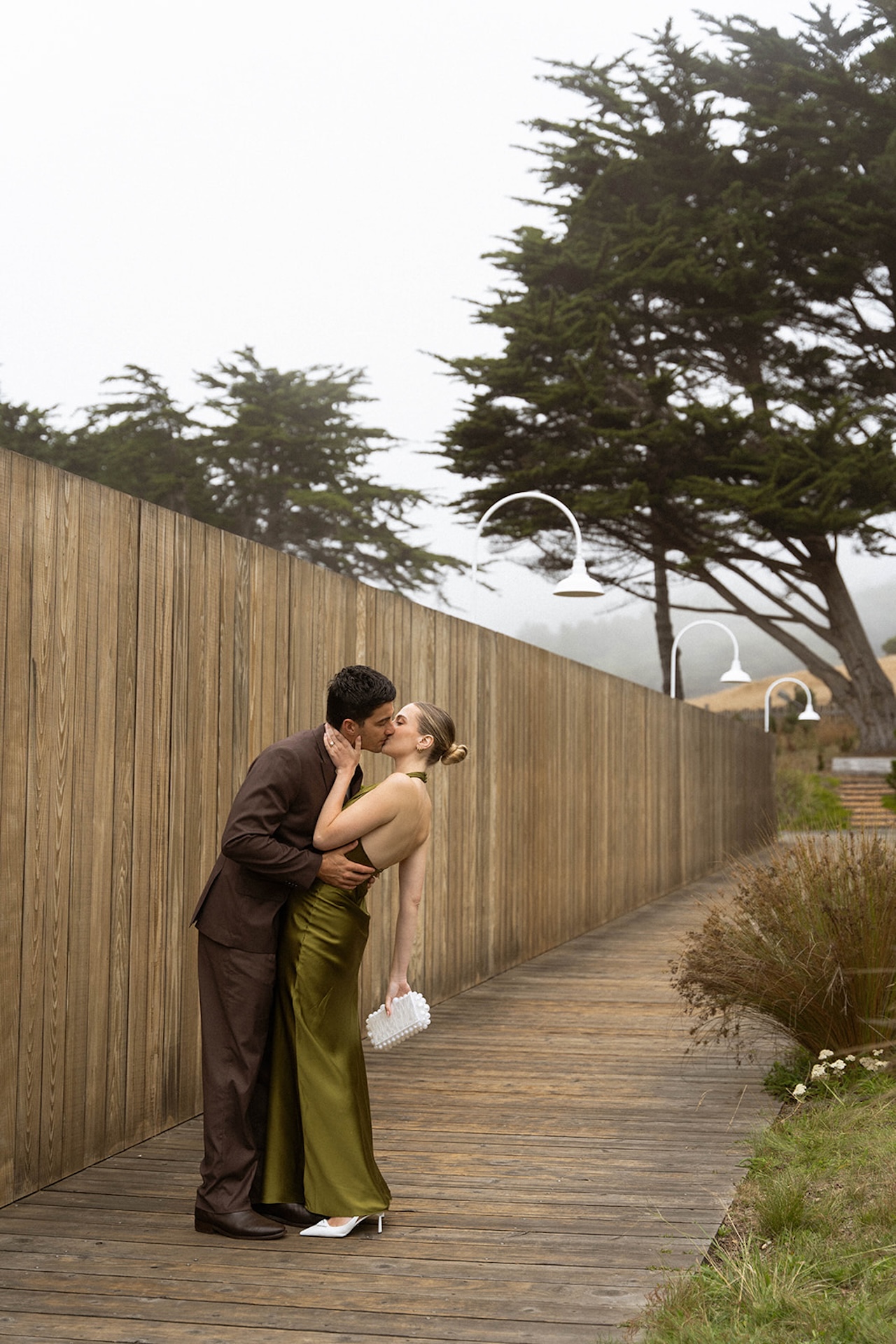
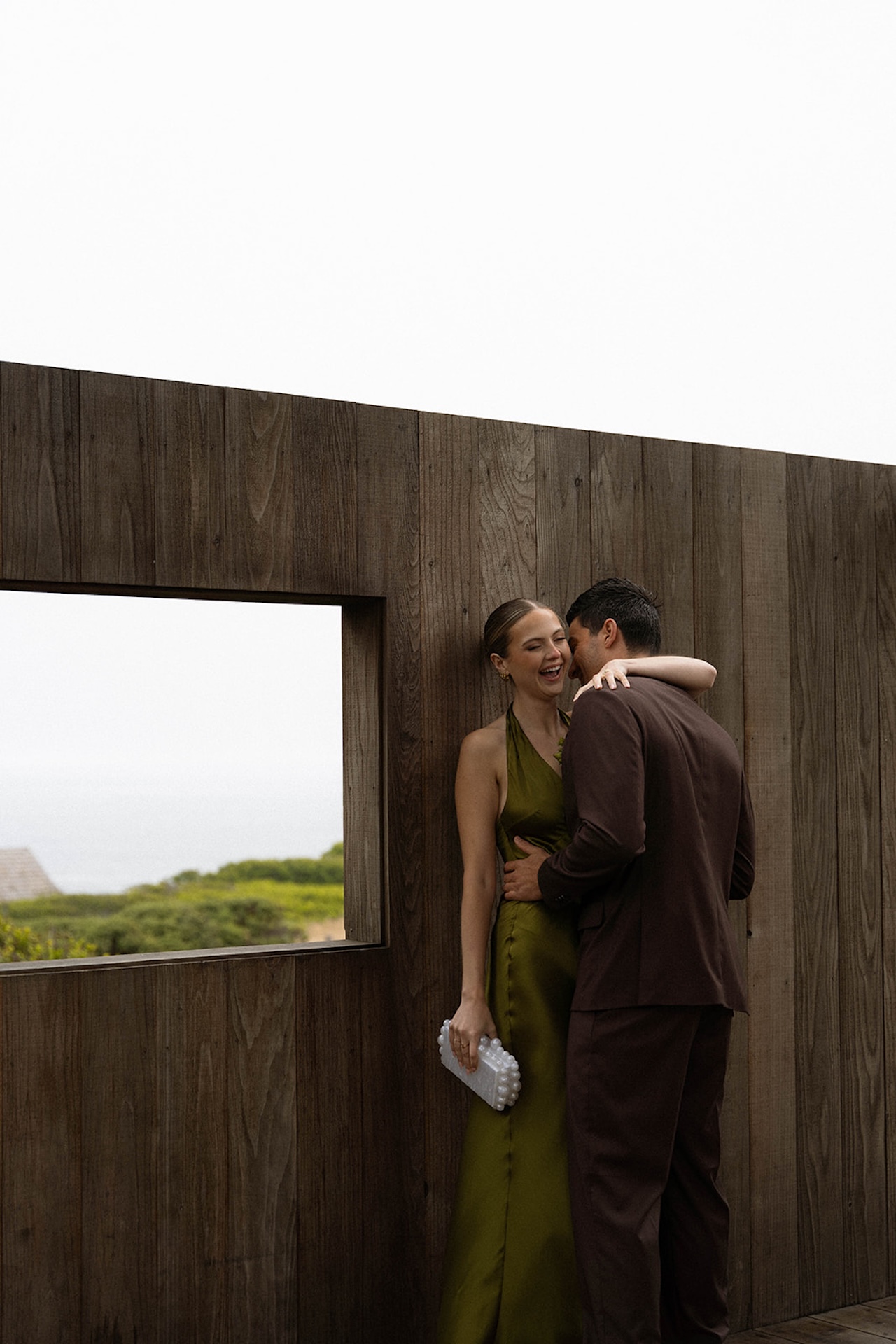
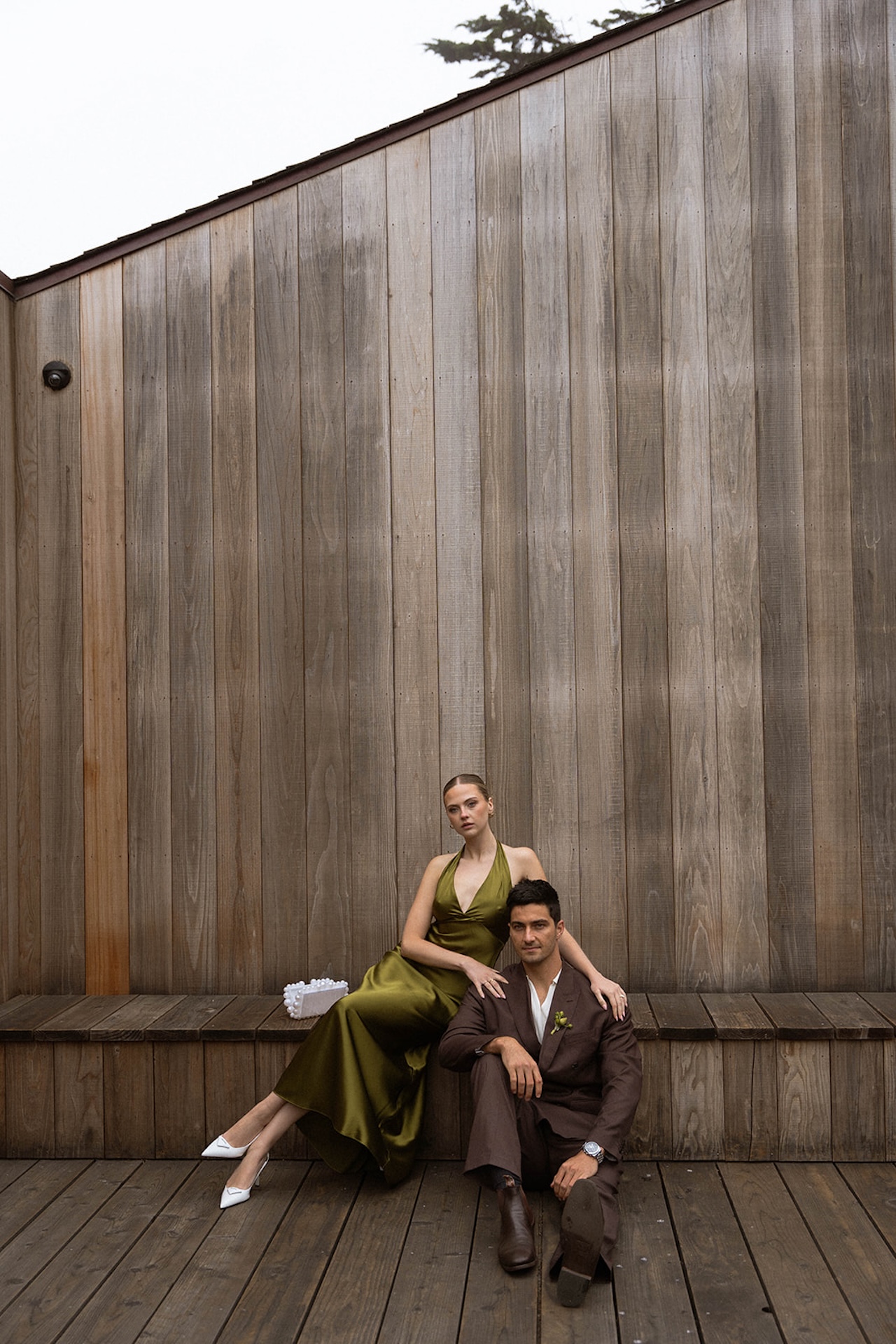
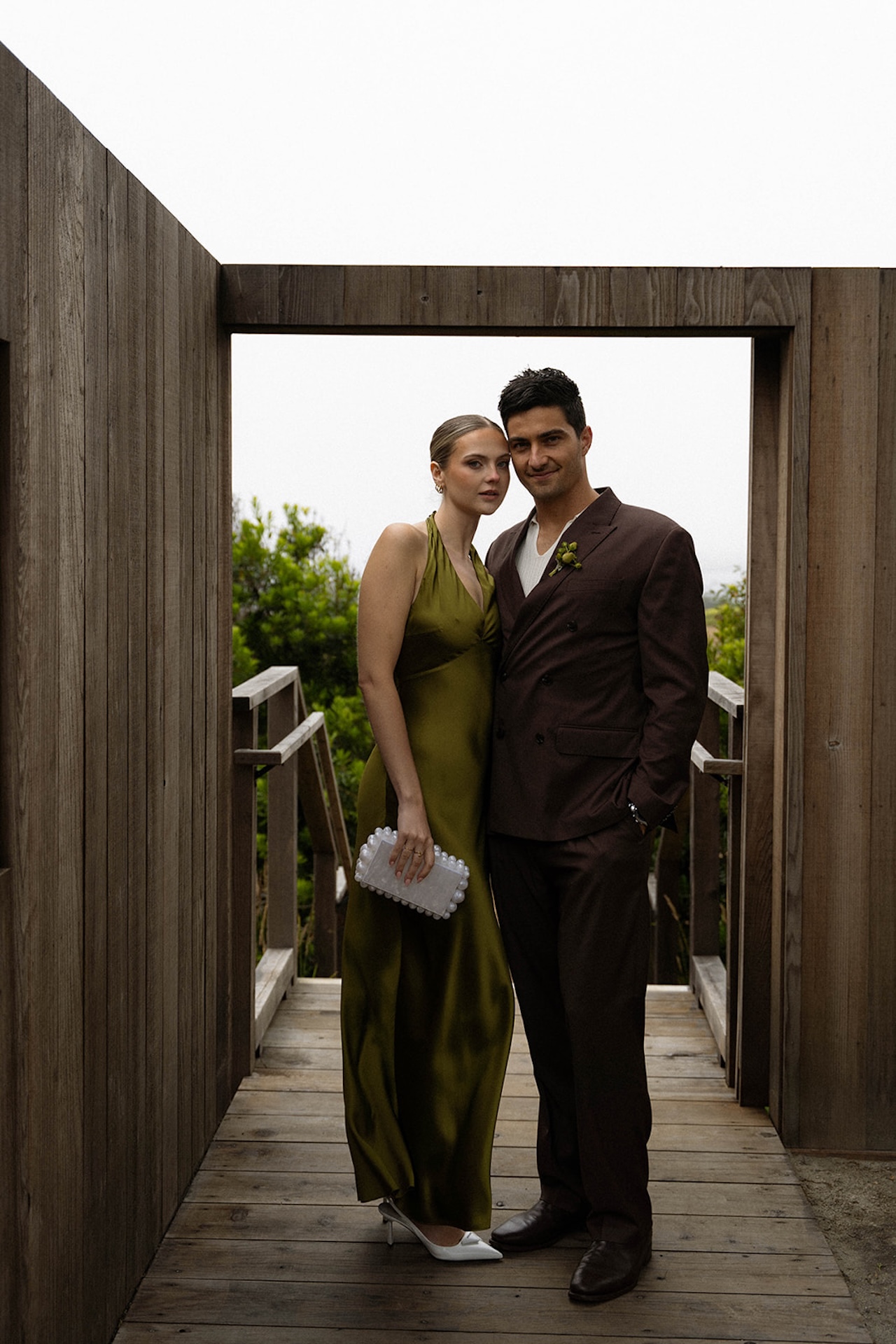
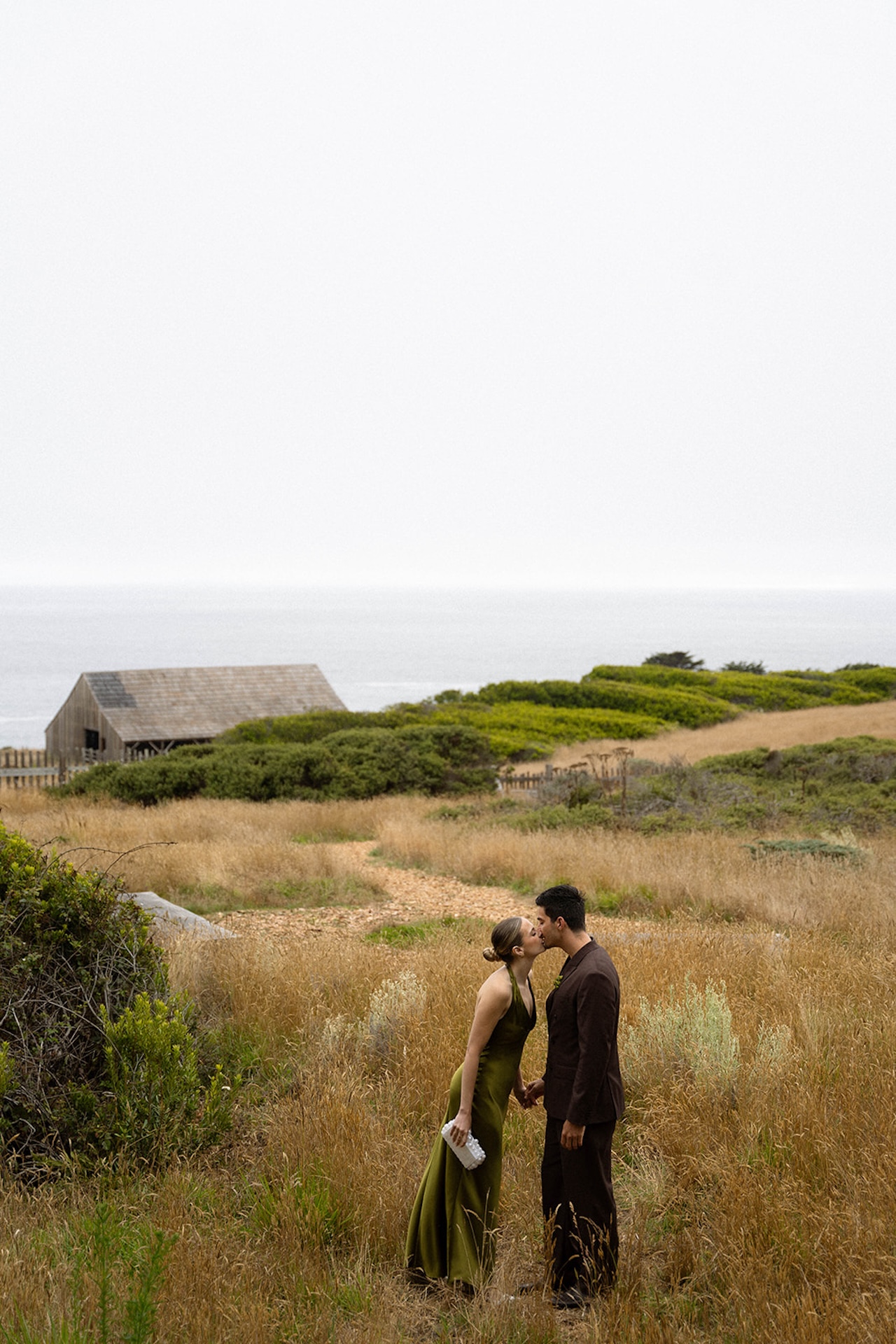
For example, coastal California locations like Sea Ranch Lodge can offer incredible scenery year-round, but fog, wind, and temperature shifts should be part of your planning. In Hawaii, certain seasons bring heavier tourism and different weather patterns depending on the island.
Understanding this early helps you set expectations and plan timelines that work with the environment instead of against it.
Wedding Mistake #5: Overplanning the Schedule
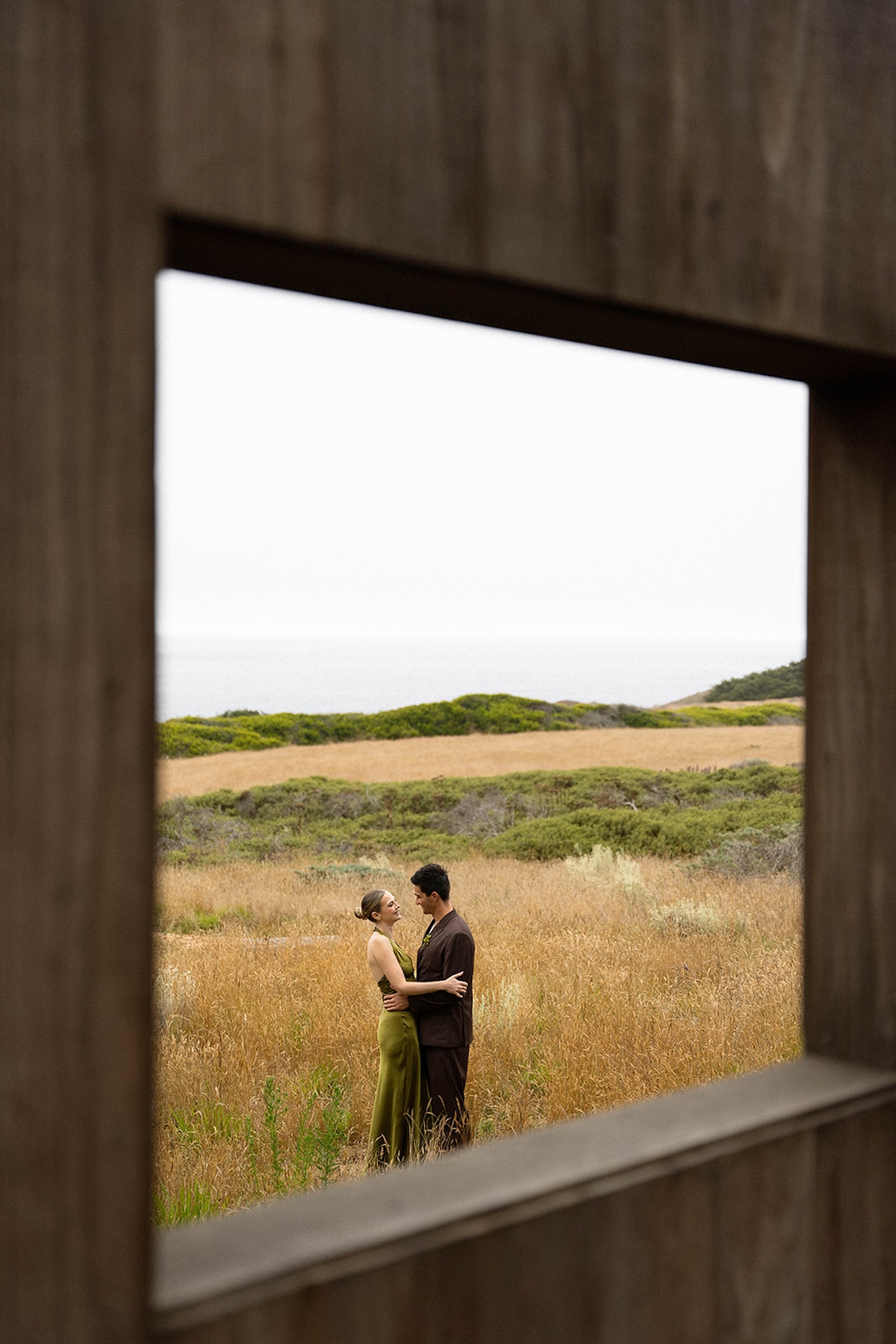
One of the biggest reasons couples choose destination weddings is that they want time together but in a more intimate way, without overloading their schedule. When planning a destination wedding weekend, you don’t need an event every hour; your guests will definitely appreciate breathing room. Plus, couples benefit from having unstructured time to connect, rest, and take everything in.
A simple structure that I have found flows really well:
- Arrival day with no formal plans
- Welcome dinner or gathering
- Wedding day
- Optional farewell brunch, coffee, etc.
This allows your wedding to feel like an experience instead of an itinerary. If you’re looking for ideas on how to structure a full weekend, my other guide can help: How to Plan a Wedding Weekend Itinerary Guests Will Love
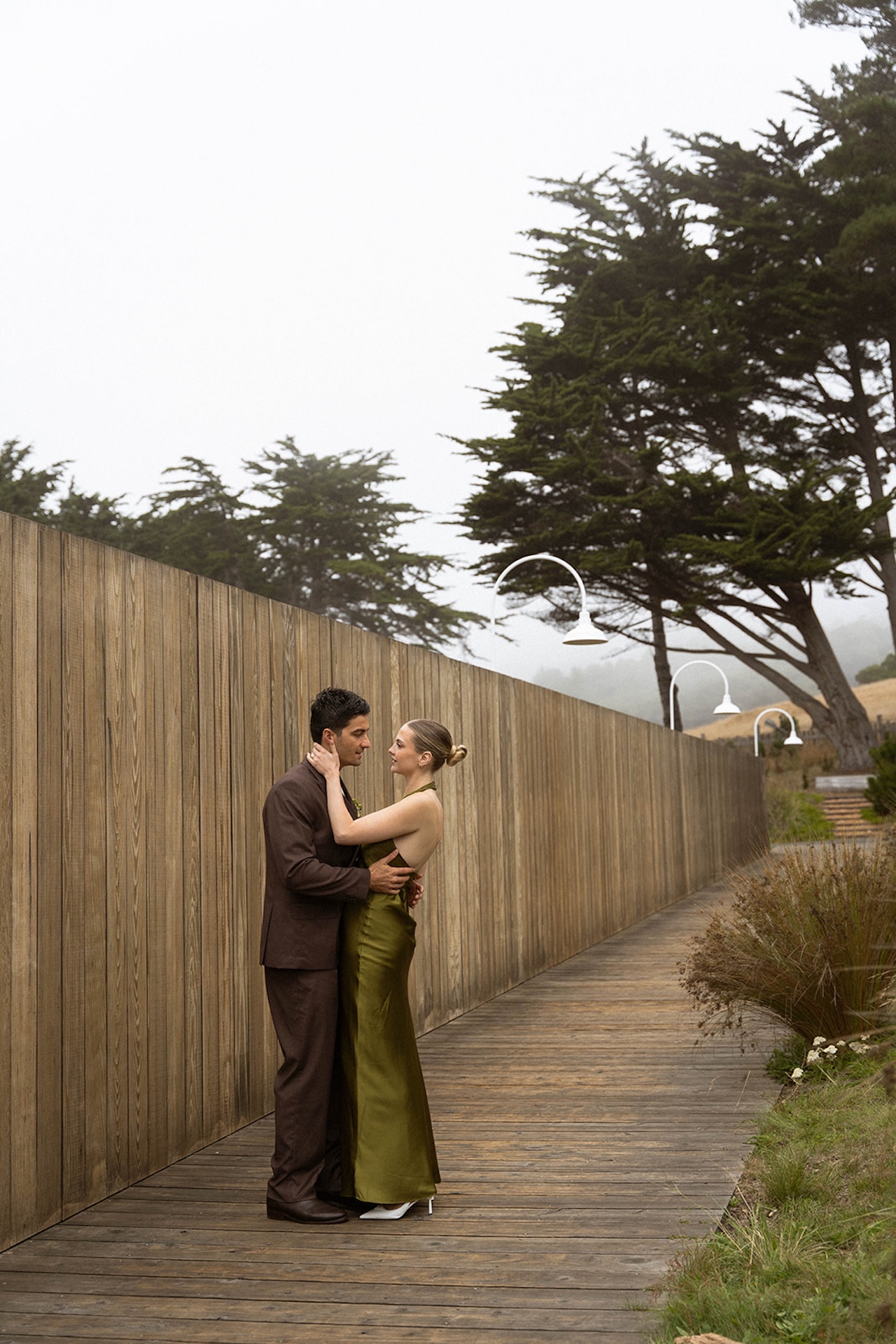
Wedding Mistake #6: Shipping Everything Instead of Renting Locally
This one matters more than most couples expect. Shipping decor, signage, or rentals to a destination wedding location can create a lot of stress if it isn’t planned out well. There can be delays, damage, or even missing items, and it honestly happens more than you would think.
When planning a destination wedding, I always encourage couples to:
- Rent locally whenever possible, especially in places like Hawaii, where vendors book up really fast.
- Choose venues that already reflect their style, then you don’t have to add or bring a bunch of decor if you want to spend your budget elsewhere.
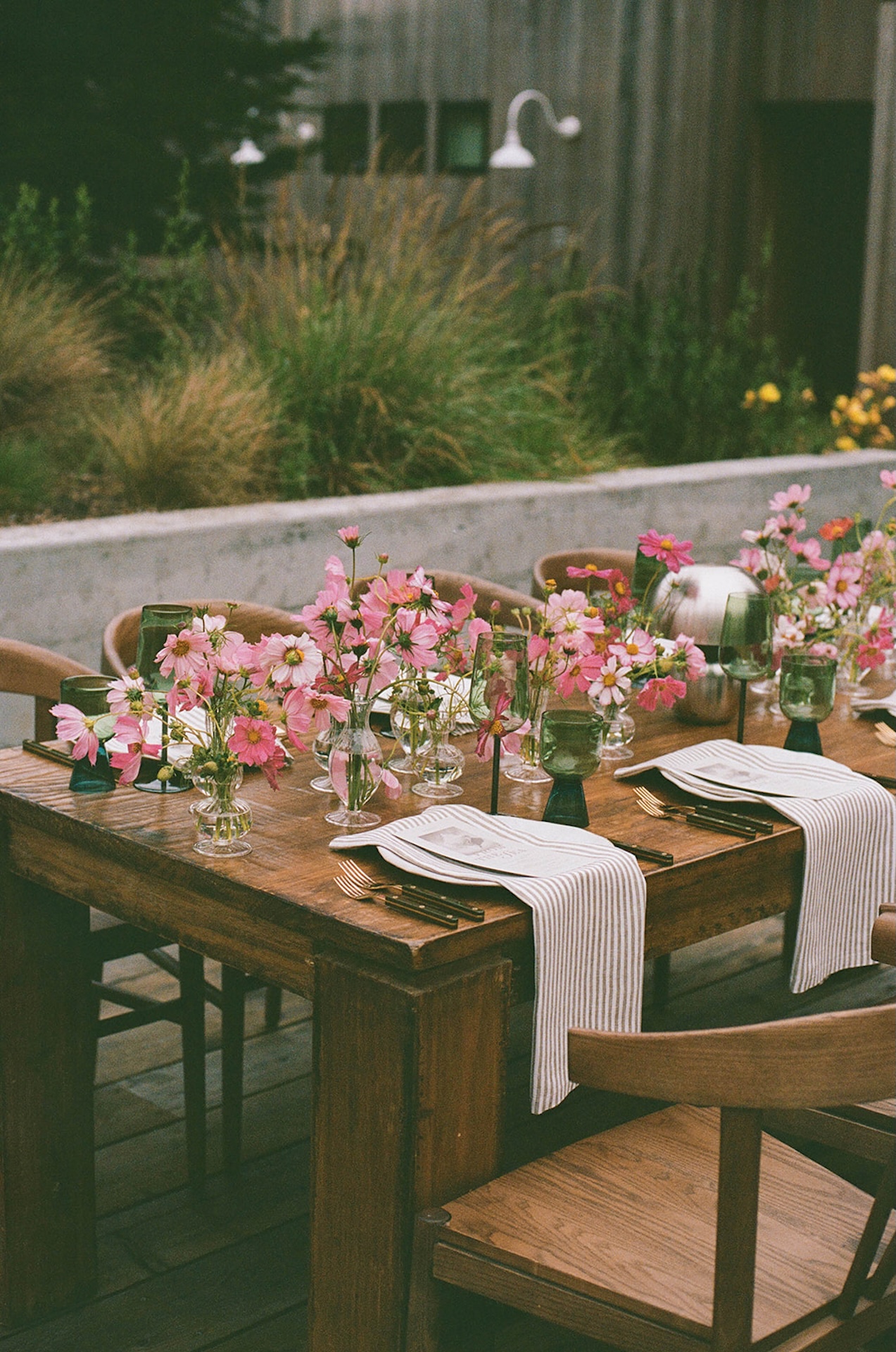
- Focus on a few meaningful details instead of a long decor list. If you want florals on tables, candles, etc., go for it, but when you have a venue that stands out on its own, it takes a lot of unnecessary planning off your plate.
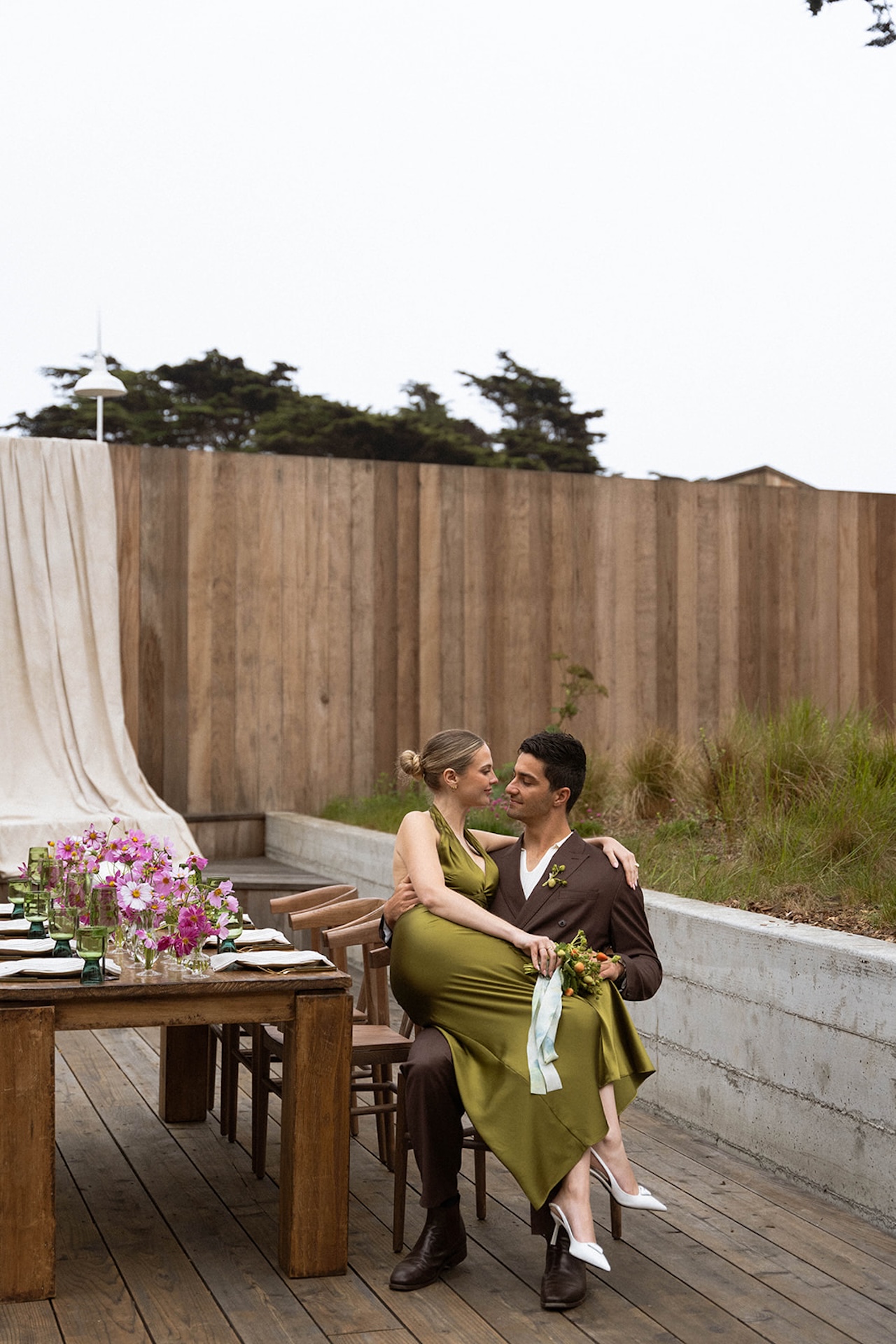
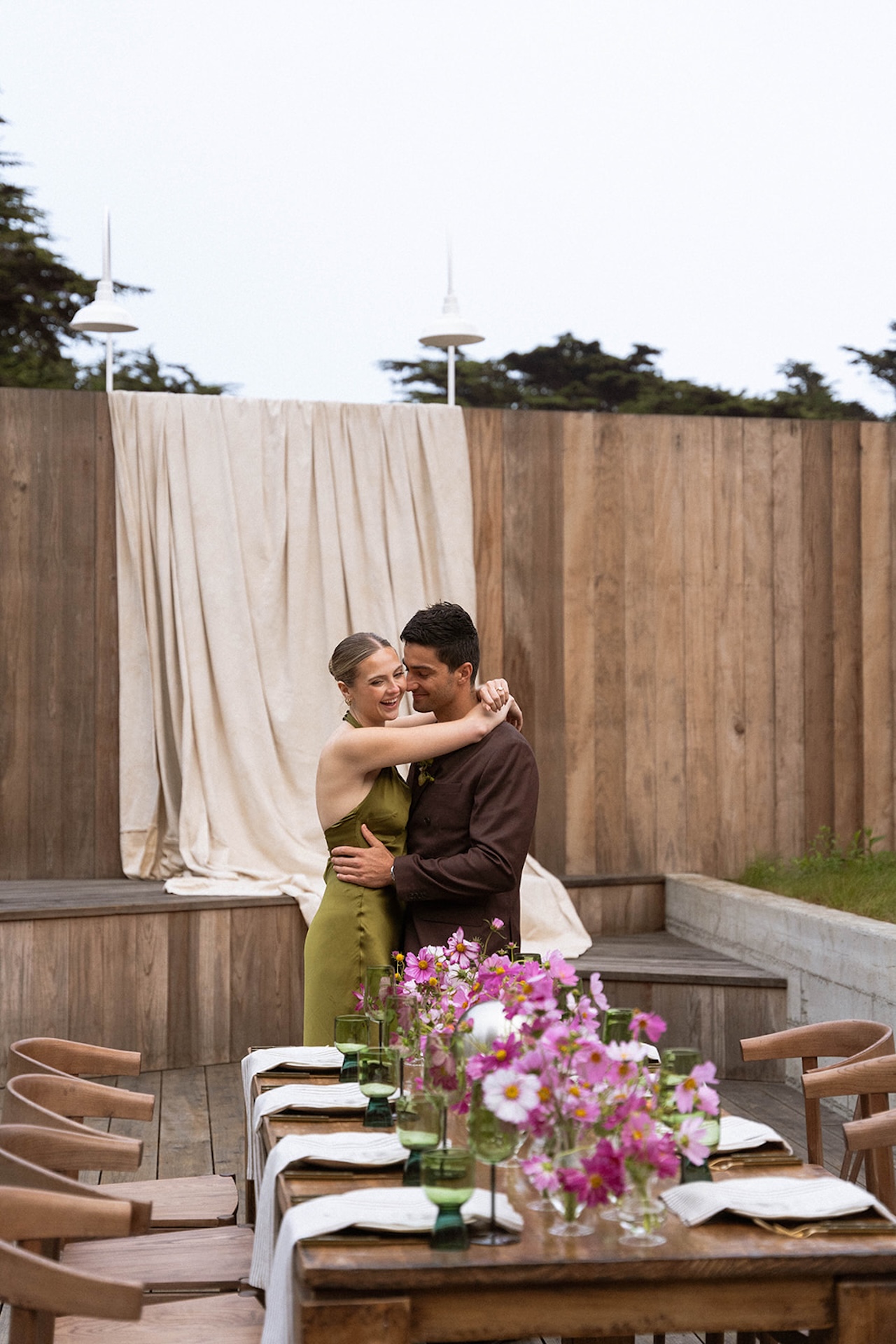
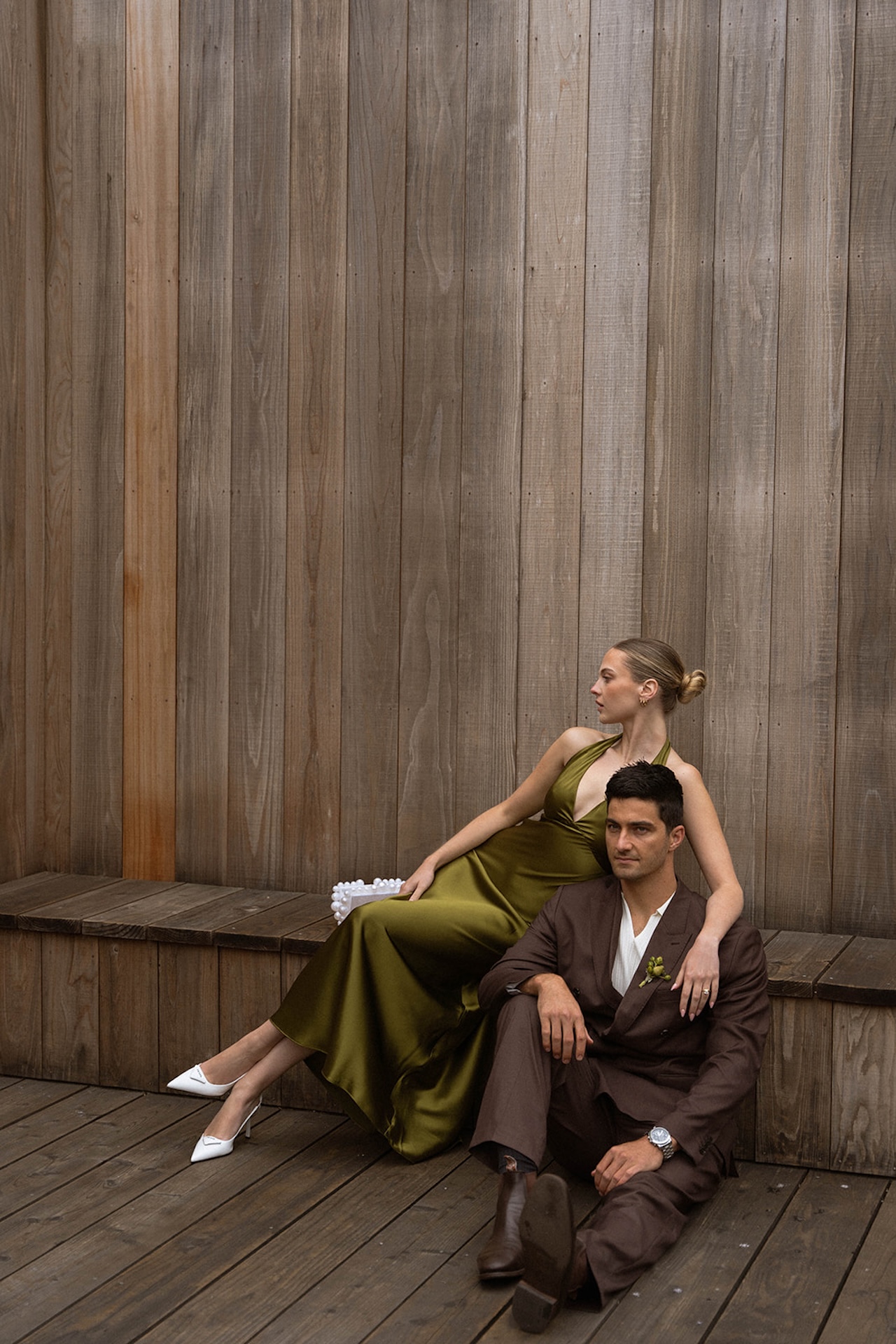
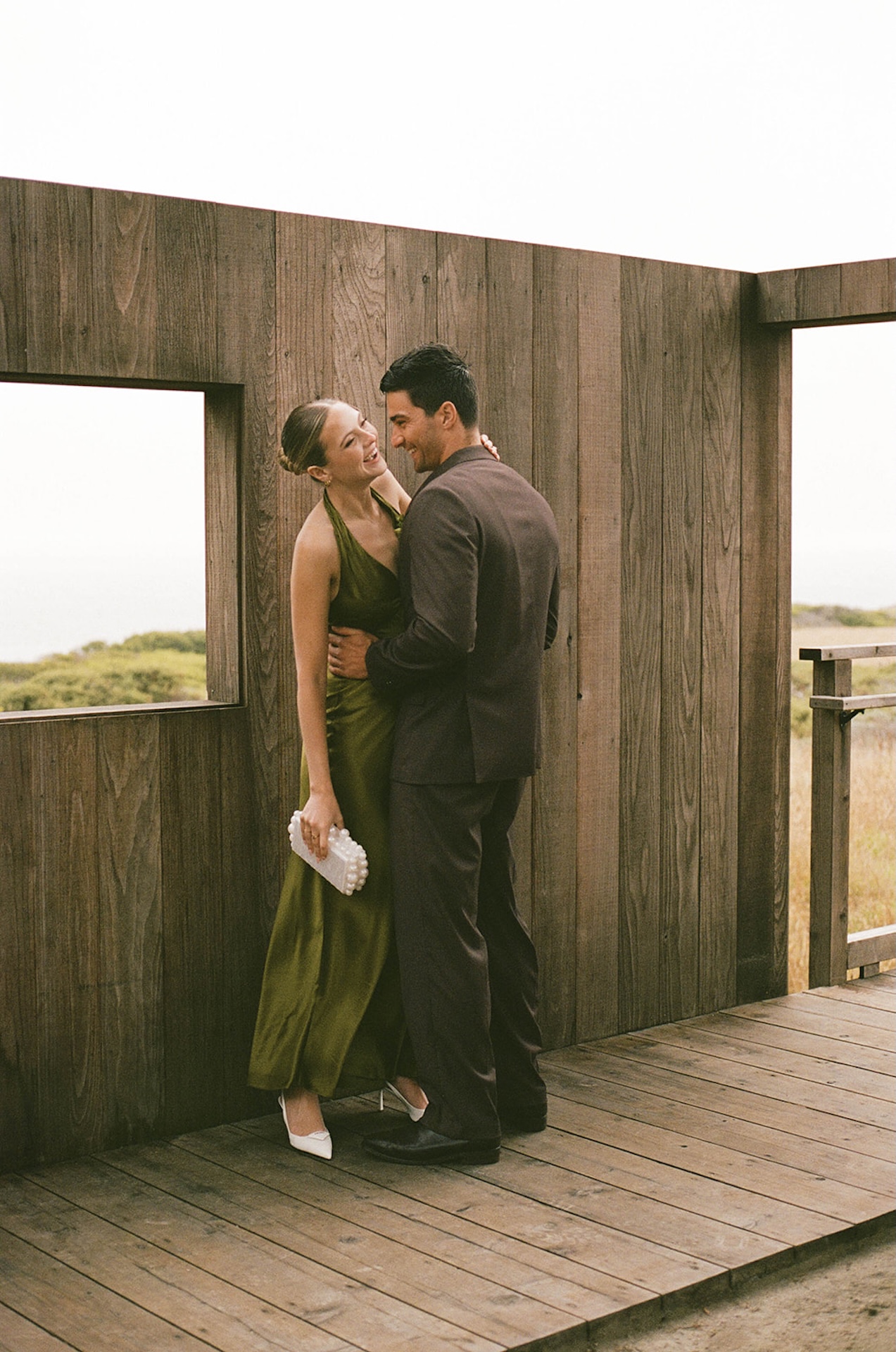
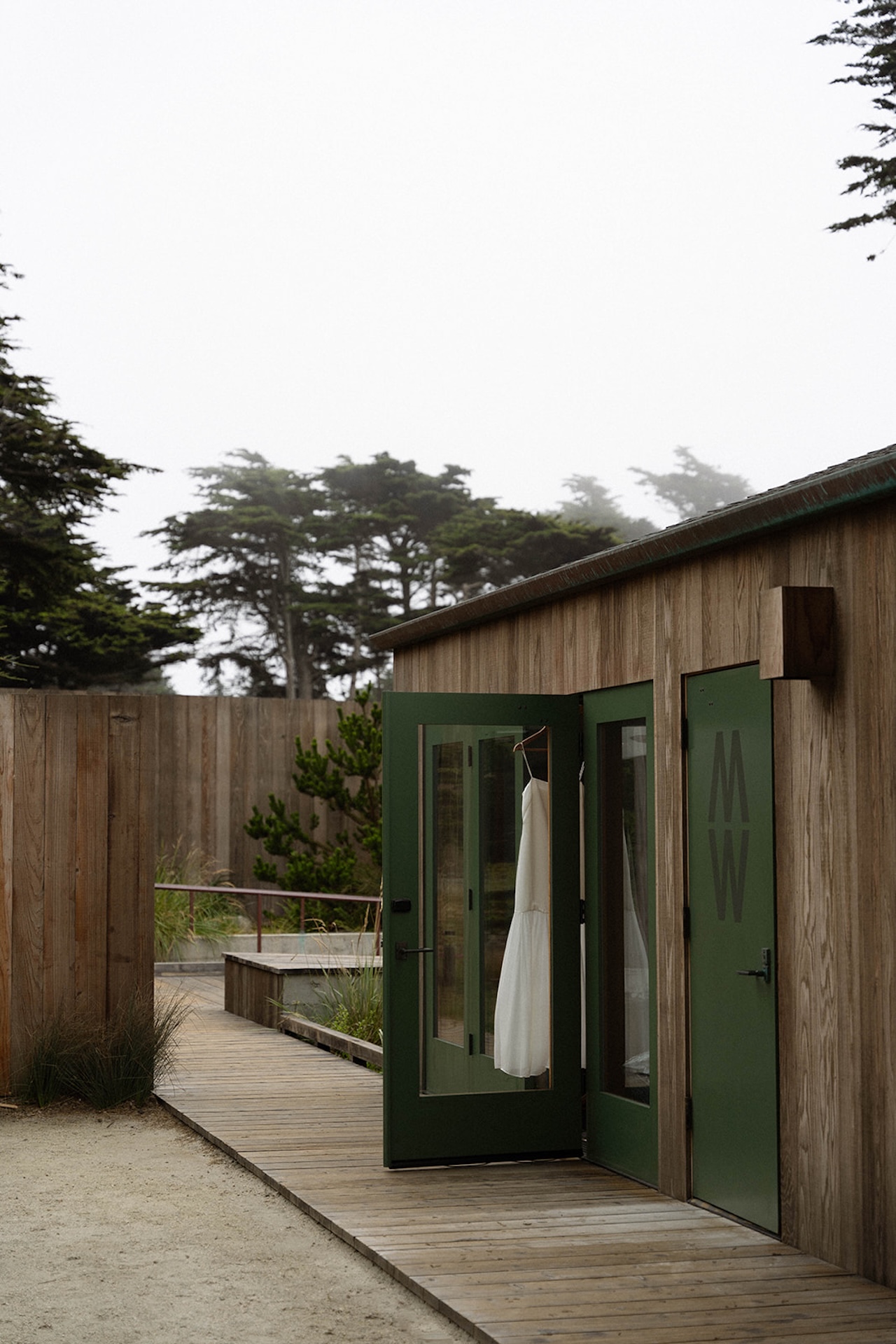
Venues like Sea Ranch Lodge already bring so much character to the day that you’re enhancing the space, not recreating it. This makes planning easier and often saves money.

Wedding Mistake #7: Treating Your Destination Wedding Like a Production
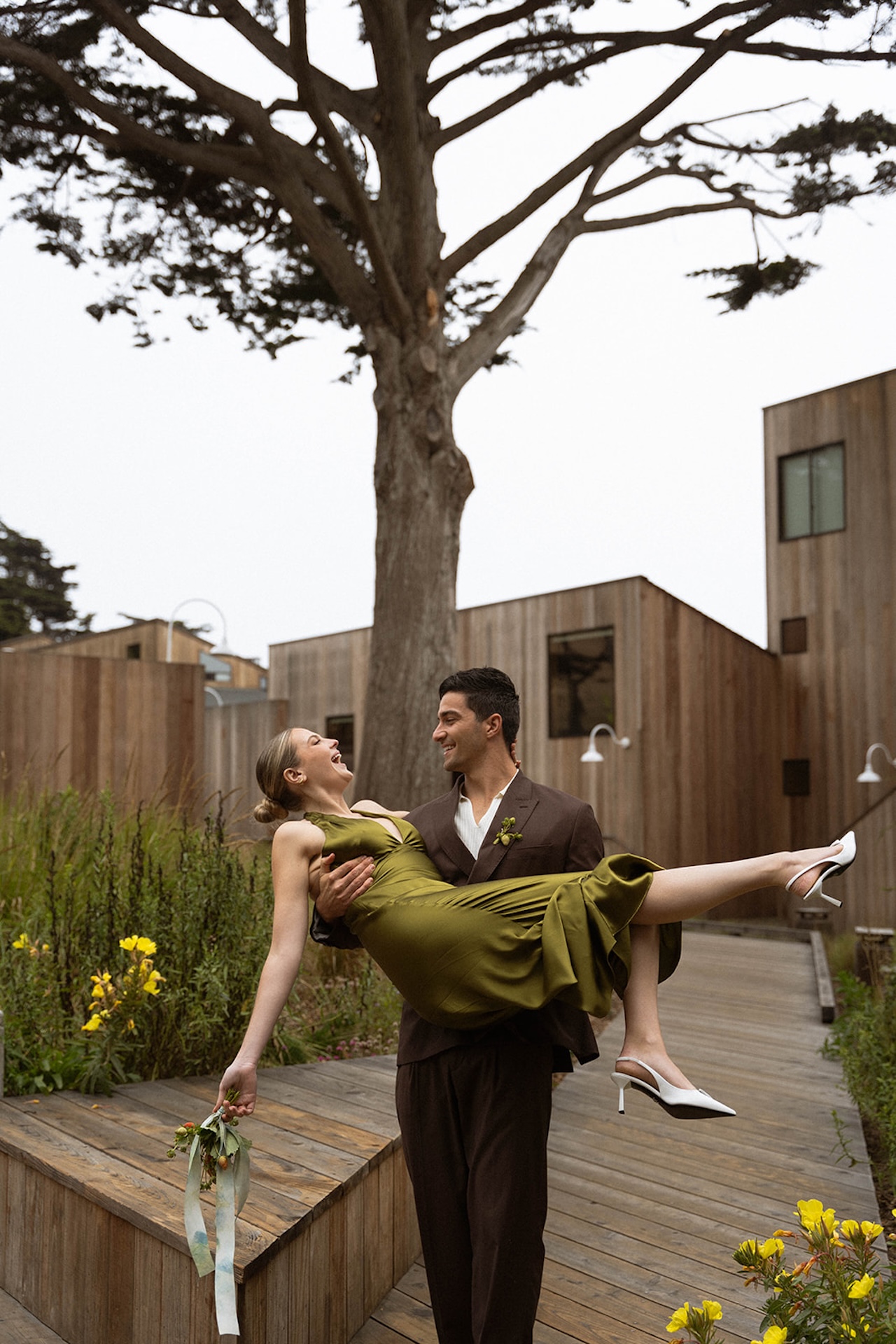
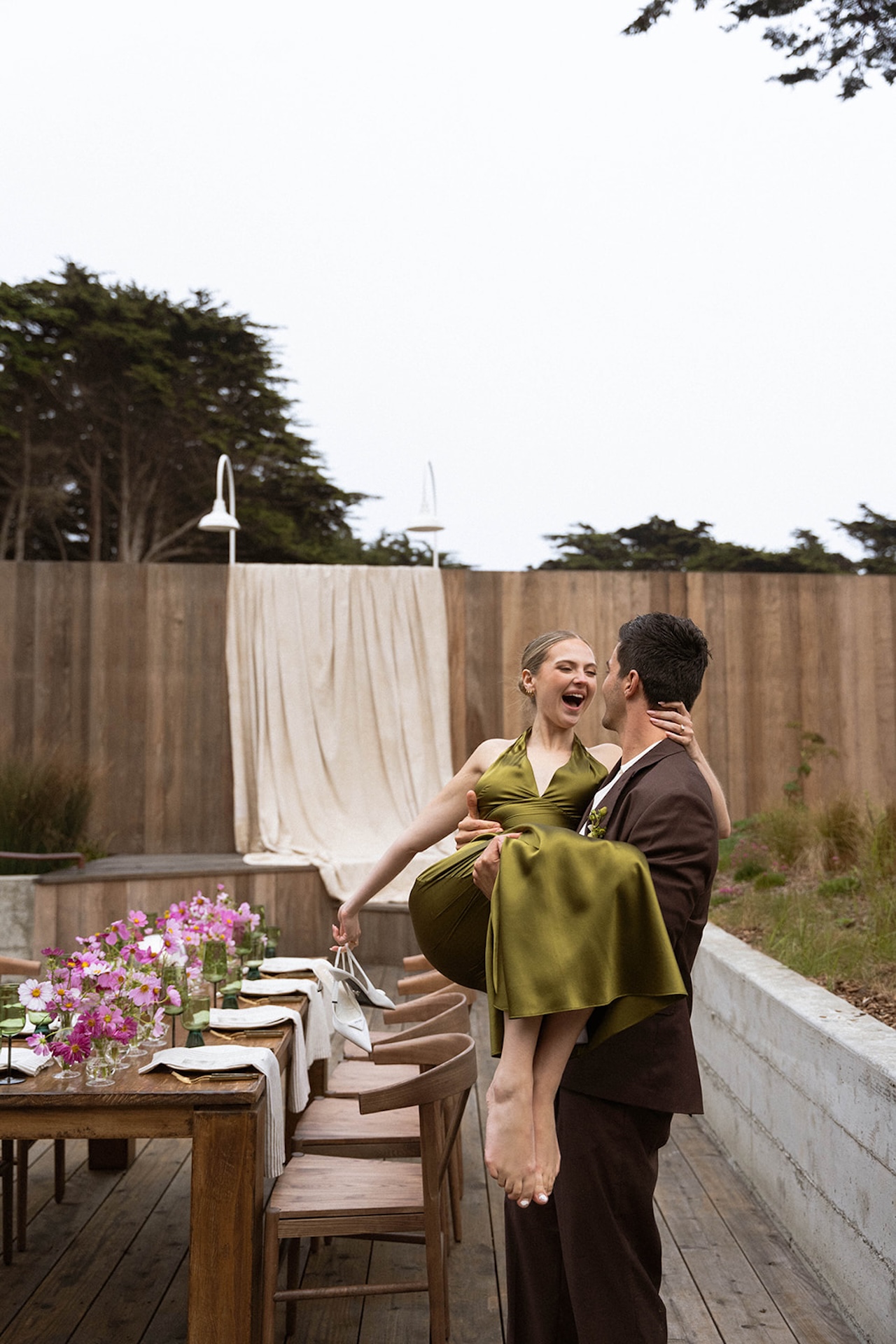
One mistake I see couples fall into when planning a destination wedding is feeling like everything needs to be perfectly timed, styled, and executed because everyone traveled to be there. That pressure usually sneaks in quietly, and before you know it, the day starts to feel more like something you’re managing instead of something you’re living.
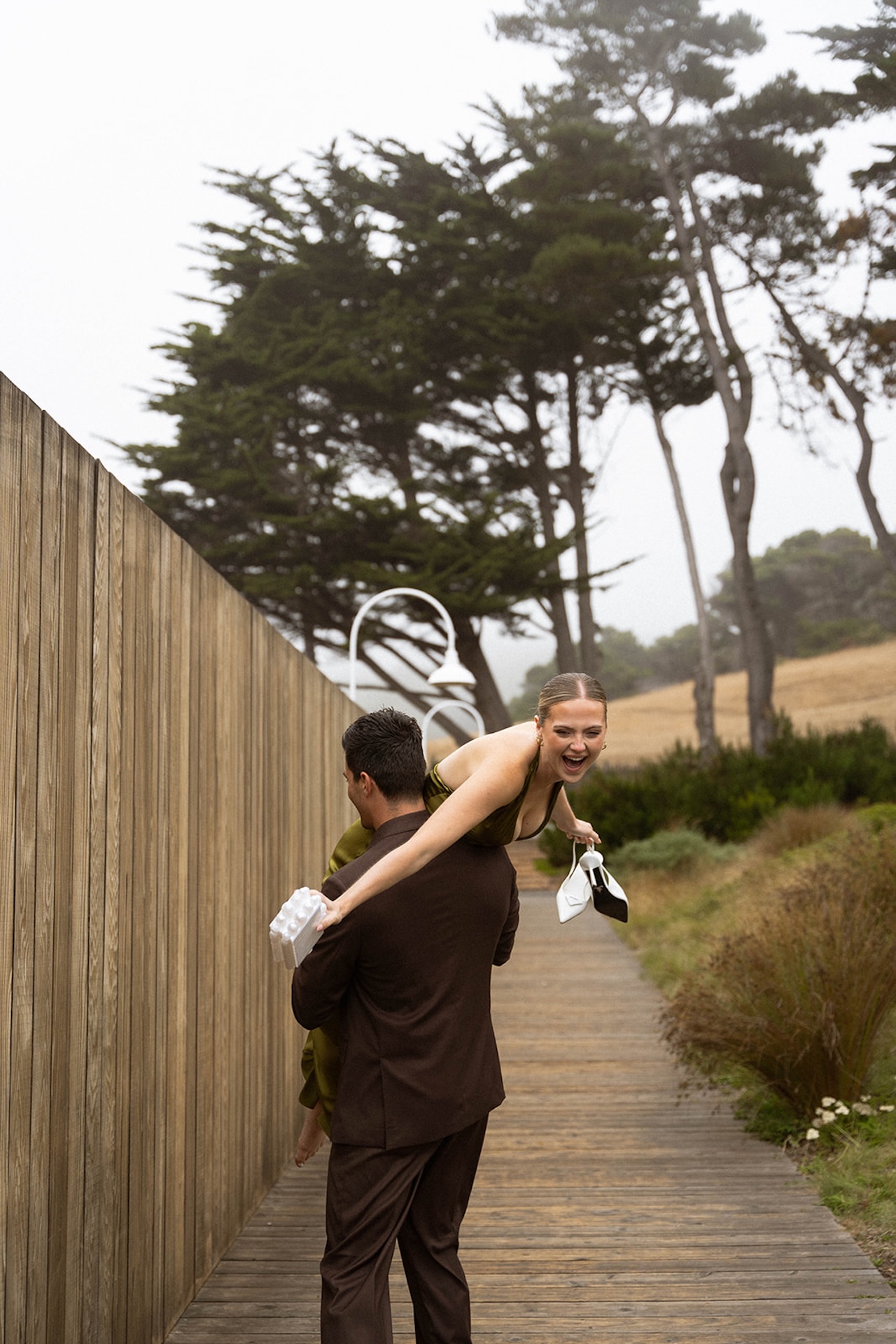
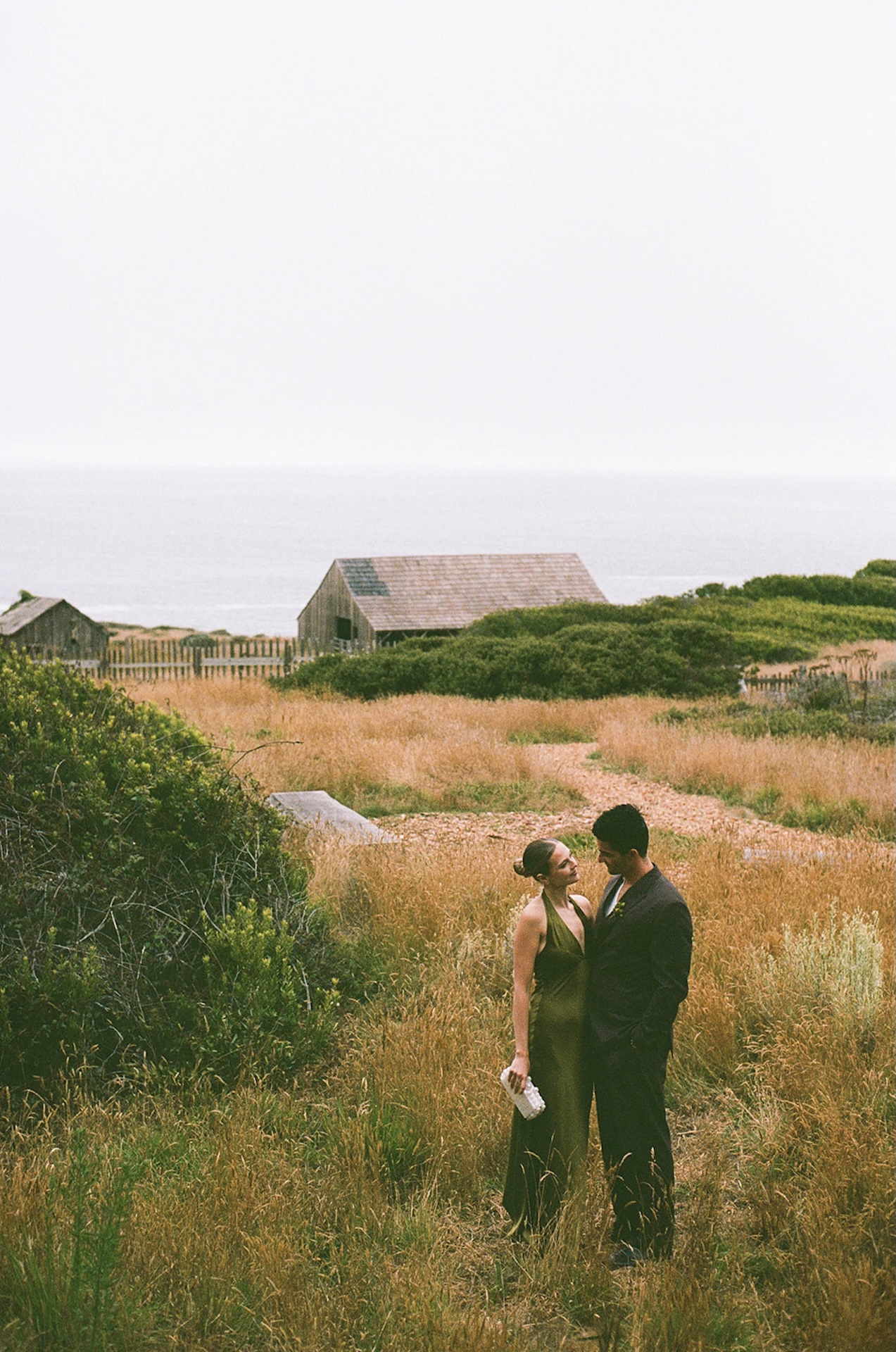
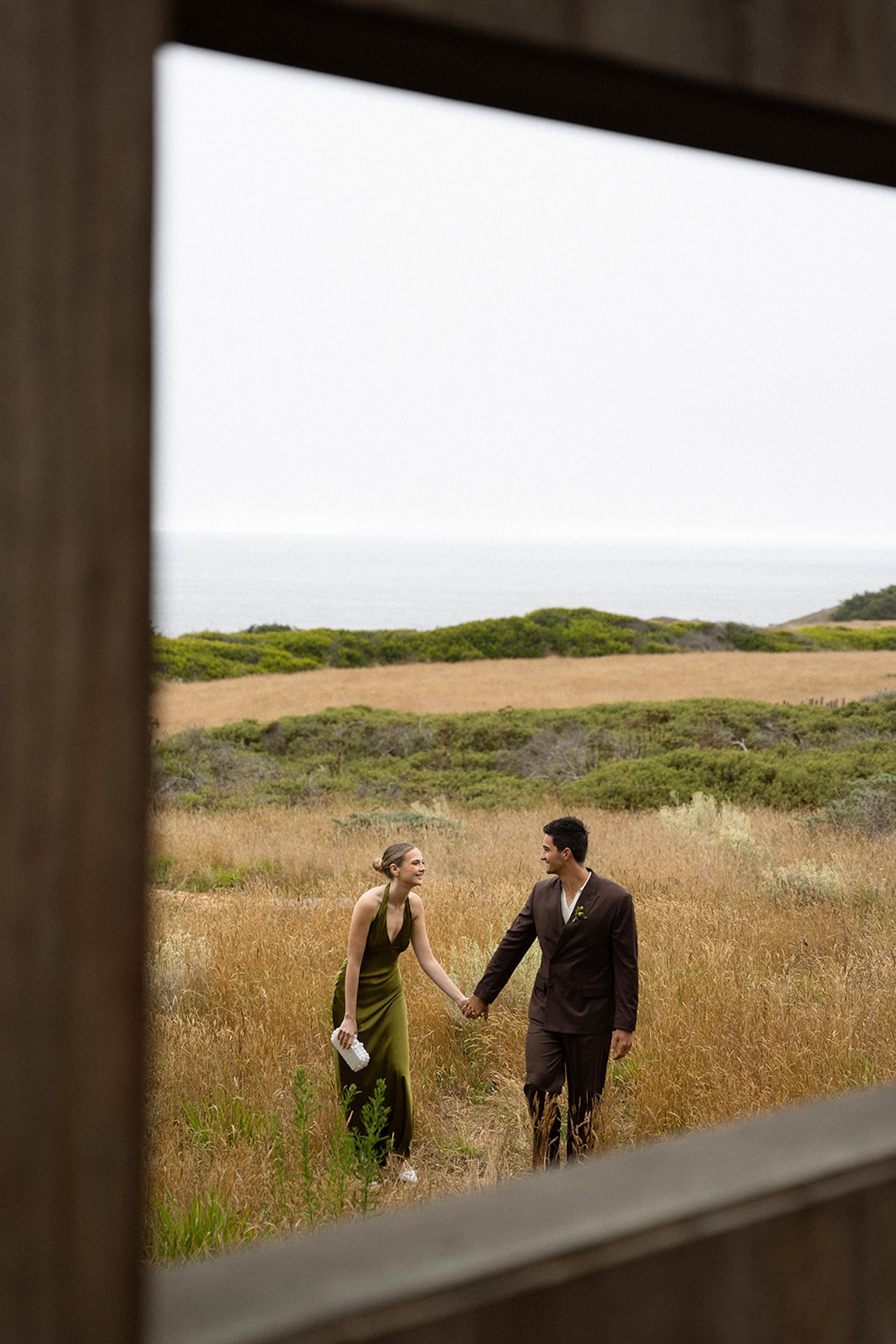
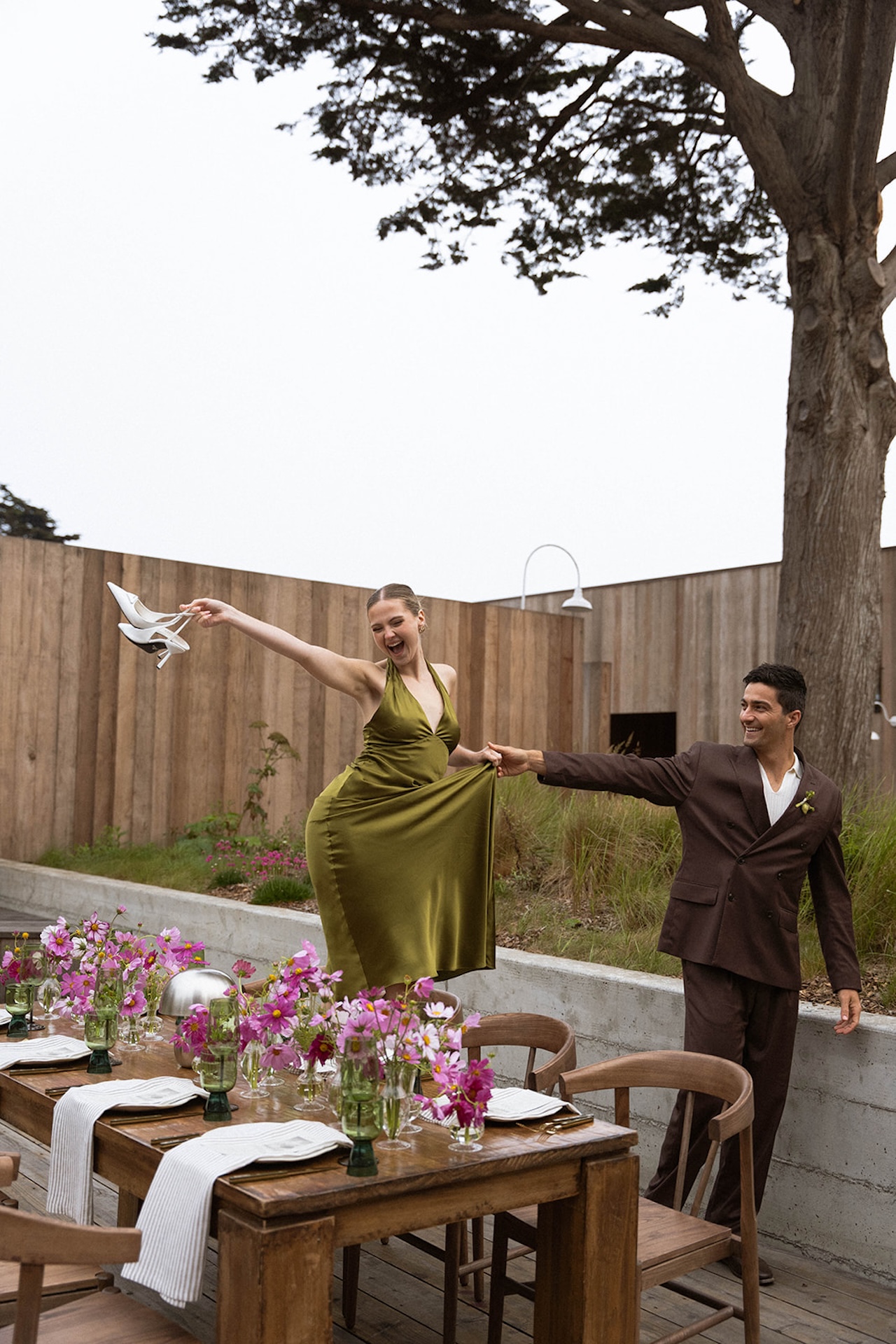
The couples who enjoy their destination weddings the most tend to let themselves be human. They let moments unfold naturally, they move through the space without worrying about where they’re supposed to be next, and they don’t stress if the timeline shifts slightly. A destination wedding works best when it’s treated like a shared experience, not a performance.
You don’t need to fill every moment or control every detail for it to feel meaningful. In fact, the more you allow room for flexibility, the more connected the day usually feels.
Things No One Tells You About Planning a Destination Wedding
There are a few realities of destination weddings that don’t always make it into planning guides, but they matter.
- Guests will arrive at different times and different energy levels; some will want to explore, some will want to rest, and that’s okay. You don’t have to plan every second of their trip; you just want to have enough planned so that they aren’t just sitting in a hotel waiting for the wedding.
- You might not see everyone as much as you expect. And that’s also okay; most people end up turning it into a full trip.
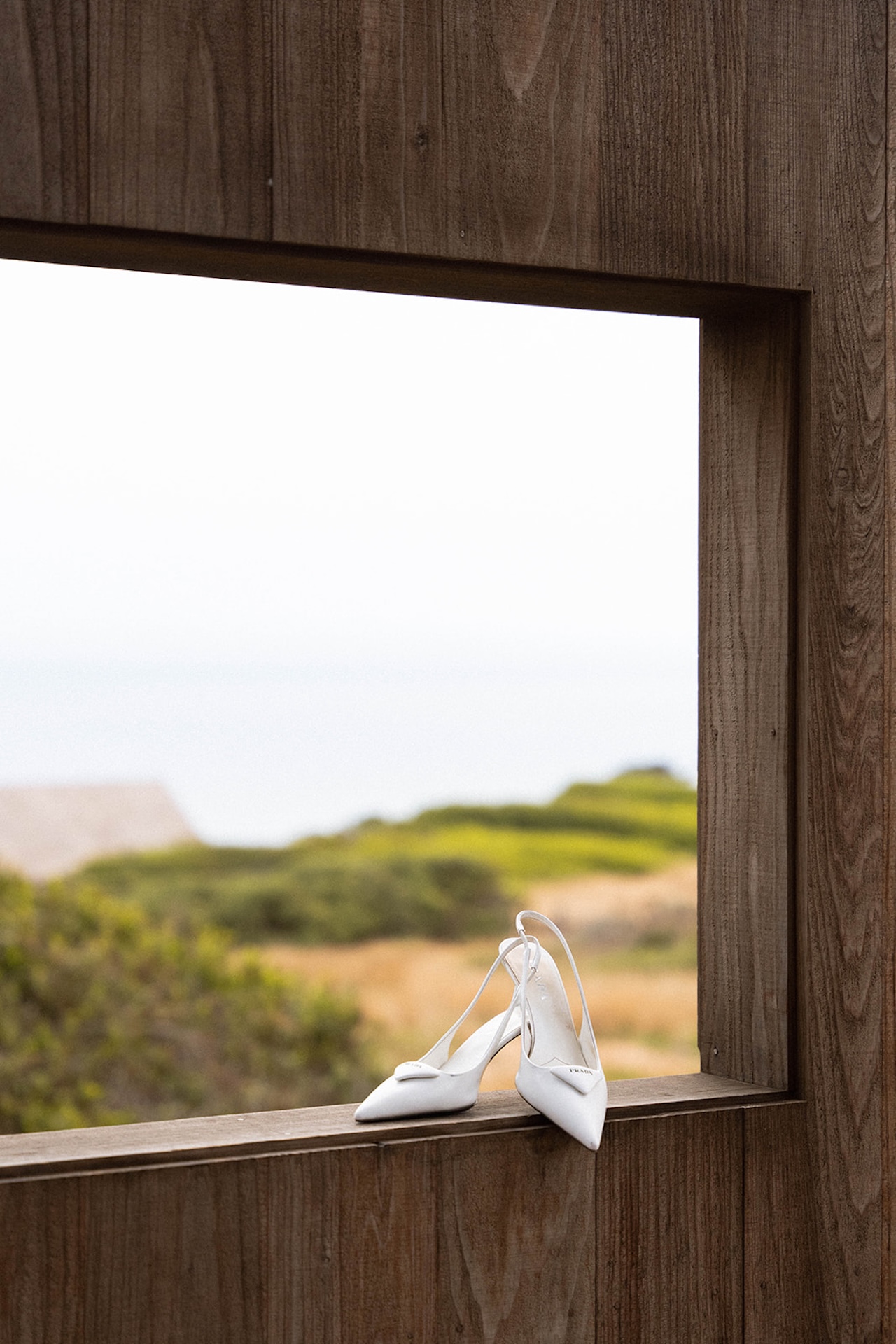
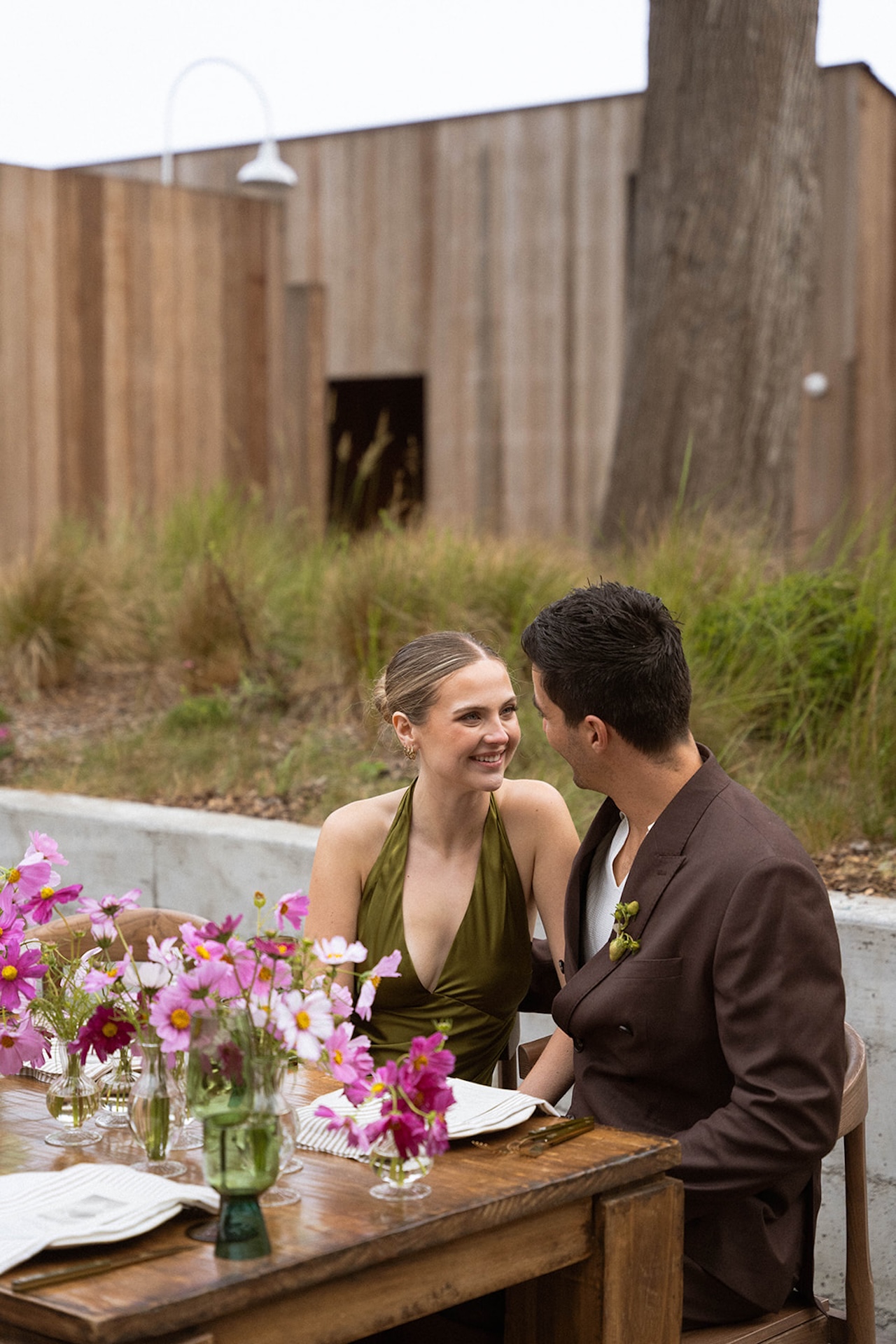
- The location becomes part of the experience, not just the backdrop. Let it shine through.
When couples lean into this instead of trying to control every moment, their wedding weekend feels lighter and more enjoyable.
What to Do Instead: Plan With Flexibility in Mind
One thing I always tell couples who want their destination wedding to feel easy and genuine is to plan with flexibility built in from the start. That doesn’t mean being unorganized; it just means choosing timelines, venues, and vendors that allow the day to breathe.
When you leave space in the schedule, you’re giving yourself room to be present instead of rushing from one thing to the next. It’s also helpful to work with vendors who understand destination weddings and know how to adapt if something changes. The goal isn’t to control every moment. The goal is to feel supported enough that you can enjoy what’s happening right in front of you.
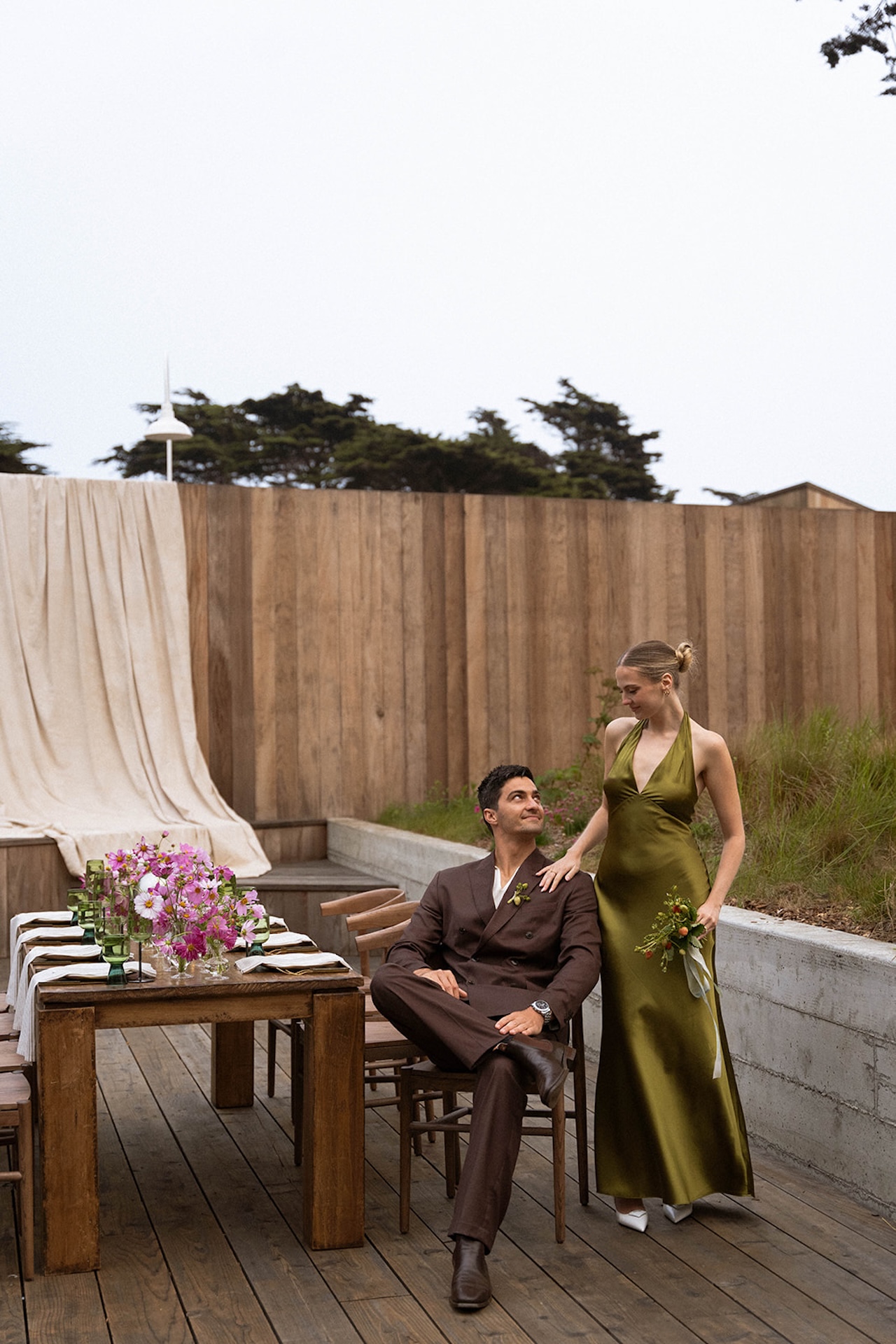
Destination weddings tend to feel their best when the location leads the experience, and you’re simply moving through it together.

A Realistic Destination Wedding Planning Timeline
Here’s a general timeline that works well for most couples planning a destination wedding:
12–18 Months Out
Choose your location and venue, and book your destination wedding photographer and planner early. Anything you can finalize this early, just get it done and out of the way.
9–12 Months Out
Send save the dates, book accommodations, or room blocks. This is also a really good time to start getting ideas for other vendors; some vendors might have a different timeline than you’re expecting, so it’s best to stay ahead.
6–8 Months Out
Book the remaining vendors, begin planning the weekend flow, and the itinerary. Also, check in on RSVP’s from your save-the-dates so that you can make sure you can accommodate your guest count.
3–4 Months Out
Finalize travel plans, confirm timelines and logistics, get your wedding dress, attire, accessories, and anything you can if you haven’t yet.
Wedding Week
Get there as early as you can to prep, rest, be present, and hopefully be done planning so you can just enjoy your wedding week/weekend.
One Last Planning Tip Most Couples Are Glad They Followed
If there’s one thing couples consistently say they’re grateful for after their destination wedding, it’s giving themselves more time than they thought they needed. Extra arrival days, lighter schedules, earlier planning, and fewer expectations around how the weekend should look tend to create the most ease.
Destination weddings feel best when they’re approached with intention rather than urgency. Planning gives you the freedom to slow down once you arrive, which is usually the reason couples choose a destination wedding in the first place.
FAQ About Planning a Destination Wedding
Is planning a destination wedding harder than a local wedding?
Not harder, just different. The biggest difference is logistics and timing. You want to schedule and book everything as soon as you can.
What wedding mistakes do destination couples regret most?
Waiting too long to plan travel, overloading the schedule, and not building buffer days.
How many days should we plan to be at our destination?
At least three days before the wedding, if possible. I always recommend making an extra trip out of it, maybe getting there a week ahead, so you have time to breathe and relax.
When should we book a destination wedding photographer?
As early as you can. Photographers experienced with destination weddings book quickly, and they also have to plan travel, logistics, etc.
Do we need a destination wedding planner?
Not always, but it depends on the location and the level of logistics involved. For international weddings or places with limited vendor options, a planner can be incredibly helpful and often makes the entire process easier.
How do we keep our guests comfortable without overplanning the weekend?
The best approach is to provide a loose structure rather than a packed schedule. Welcome dinners, wedding day events, and one optional gathering are usually enough. Guests appreciate having free time to explore, rest, or enjoy the destination at their own pace, and that flexibility often makes the weekend more enjoyable for everyone.
Can destination weddings still feel intimate?
Of course. Many couples find that destination weddings allow for a deeper connection; you truly get to enjoy your wedding, have time with your favorite people, and have more than one night to celebrate such a big day in your life.
Ready to Book Your Destination Wedding Photographer?
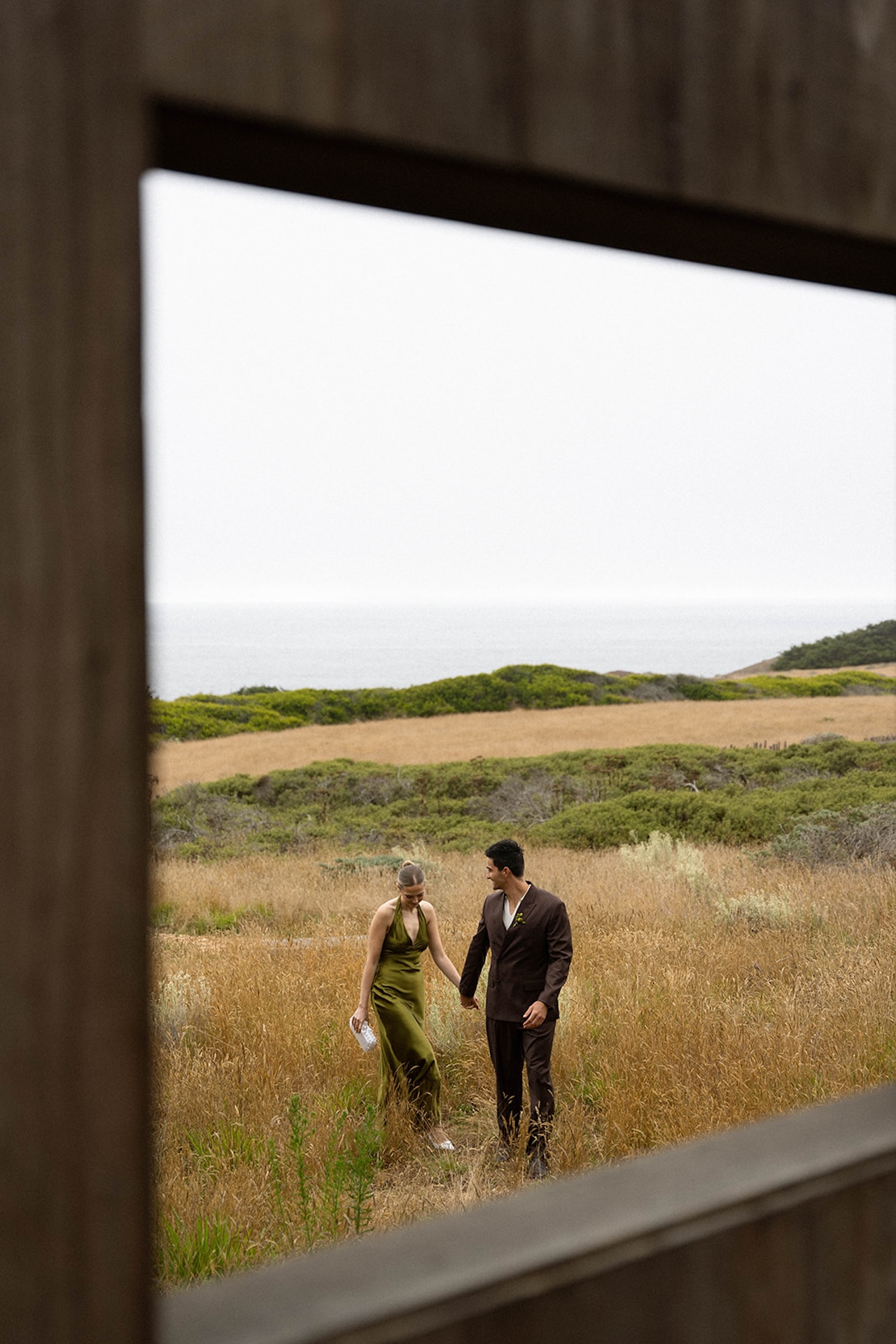
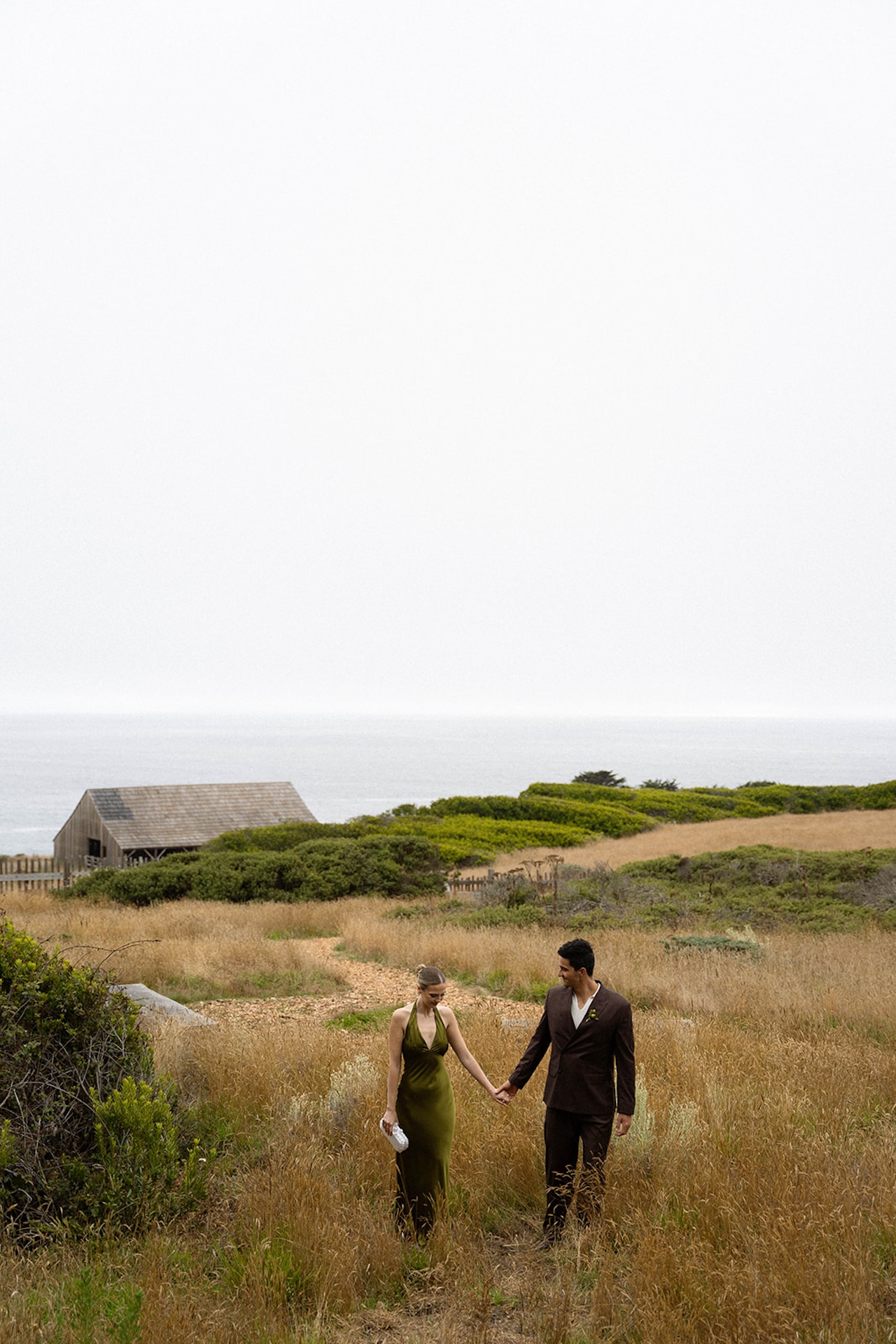
A destination wedding is more than choosing a beautiful place. It’s about how the day unfolds, how present you feel, and how much space you give yourselves to actually experience it. Whether you’re planning something along the California coast, in Hawaii, or somewhere that feels meaningful to you, the right support makes a difference.
If you’re looking for a destination wedding photographer who values connection, flexibility, and a calm approach to the day, I’d love to talk through what you’re planning. You can inquire about availability here or explore more destination wedding planning guides and resources on my blog.


insta
gram
follow me on
contact
back to the top
let's connect
@imagesbyabbii